


What's Happening?
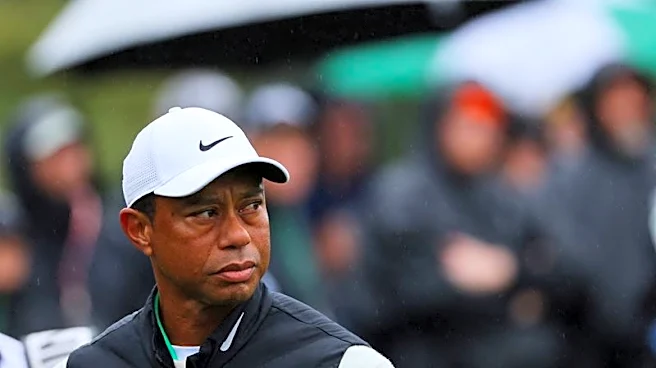
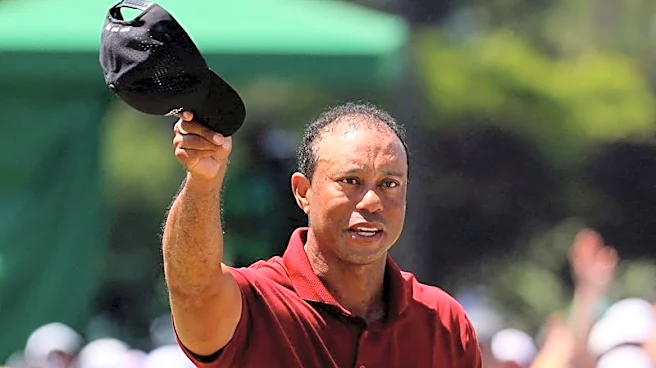
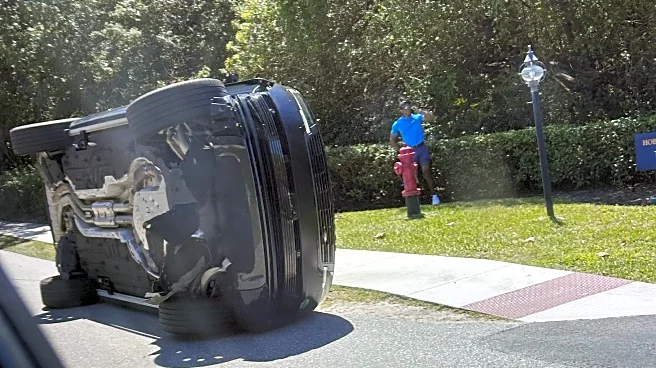
Tiger Woods, the renowned golf superstar, has announced his decision to step away from the sport to focus on his health. This decision follows a recent car crash and subsequent legal issues, including a misdemeanor driving under the influence charge.
A Florida judge has granted Woods permission to leave the United States to enter a comprehensive inpatient treatment facility. His lawyer, Douglas Duncan, emphasized the need for an 'intensive, highly individualized and medically integrated program' that cannot be effectively conducted in the U.S. due to privacy concerns. Woods has expressed his commitment to prioritizing his well-being and working towards a lasting recovery. As a result, he has also removed himself from consideration for the 2027 Ryder Cup captaincy.
Why It's Important?
Woods' decision to seek treatment abroad highlights the challenges faced by public figures in maintaining privacy while addressing personal health issues. His departure from golf, even temporarily, impacts the sport significantly, given his influence and status as a 15-time major champion. The PGA of America and other golf organizations have expressed support for Woods, acknowledging the importance of prioritizing health over professional commitments. This situation underscores the broader issue of mental health and privacy for athletes, potentially influencing how sports organizations support their members in similar circumstances.
What's Next?
Woods' focus will be on his recovery, with no set timeline for his return to golf. The PGA of America will need to appoint a new captain for the 2027 Ryder Cup, and Woods' absence from upcoming tournaments will be felt by fans and the golfing community. The situation may prompt discussions within sports organizations about providing better support systems for athletes dealing with personal and health challenges.