




What's Happening?
LeBron James, the renowned player for the Los Angeles Lakers, has hinted at the possibility of retirement, citing the emergence of new talent in the NBA. James, who has been a pivotal figure in basketball, expressed his thoughts during a recent interview,
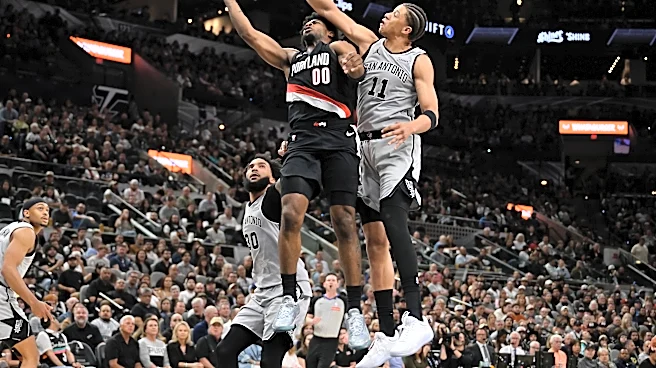
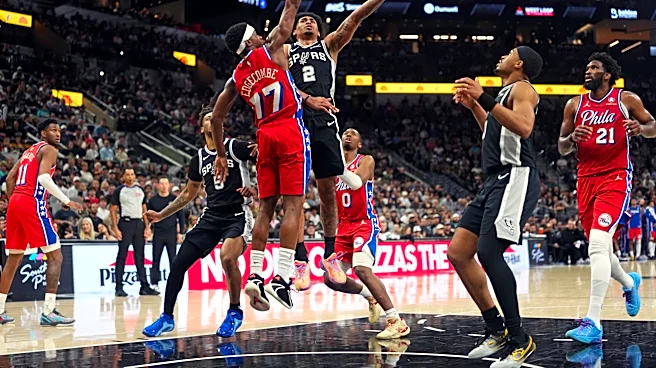
mentioning Victor Wembanyama, a promising young player for the San Antonio Spurs. James acknowledged his satisfaction in not having to compete against Wembanyama in the future, indicating that retirement is on his mind as he ages. Despite not retiring due to any specific player, James's comments reflect his awareness of the evolving landscape of the NBA and the challenges posed by younger athletes.
Why It's Important?
LeBron James's potential retirement marks a significant moment in the NBA, as he has been one of the most influential players in the league's history. His departure would signal a shift in the dynamics of the sport, paving the way for emerging talents like Victor Wembanyama to take center stage. This transition could impact team strategies, fan engagement, and the overall competitive environment of the NBA. James's influence extends beyond the court, affecting endorsements, media coverage, and the league's global appeal. His retirement would not only alter the Lakers' roster but also reshape the narrative of basketball for years to come.
What's Next?
If LeBron James decides to retire, the Los Angeles Lakers will need to strategize on filling the void left by his departure. This could involve scouting for new talent or adjusting their gameplay to accommodate the absence of James's leadership and skills. The NBA community, including fans and analysts, will closely monitor James's decision, as it could influence other veteran players contemplating retirement. Additionally, the rise of players like Victor Wembanyama will be watched keenly, as they represent the next generation of basketball stars poised to redefine the league's future.
Beyond the Headlines
LeBron James's retirement considerations highlight broader themes in professional sports, such as the lifecycle of athletes and the impact of generational shifts. As seasoned players exit the stage, the focus shifts to nurturing young talent and adapting to new styles of play. This transition underscores the importance of sustainable career management for athletes, including health preservation and post-retirement planning. The evolving NBA landscape also reflects cultural shifts in sports fandom, where emerging stars capture the imagination of younger audiences, driving changes in how the sport is consumed and celebrated.