


What's Happening?
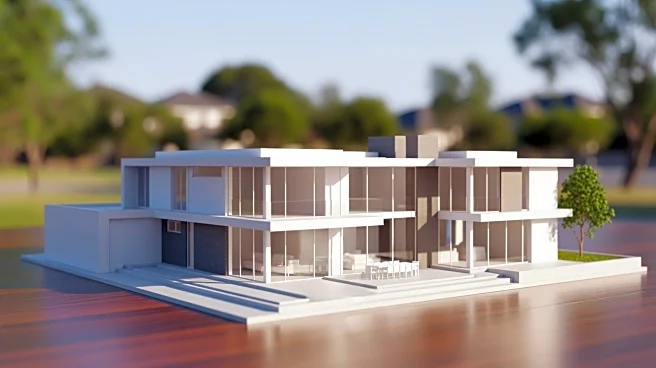
A recent analysis by Realtor.com highlights a significant trend in the U.S. luxury housing market, where newer, larger luxury homes are available for under $1 million in emerging markets. This contrasts with established coastal metros, which typically
offer smaller, older luxury homes at higher prices. The analysis identifies six metro areas where the top 10% of listings are newer than the national average. These areas include Orlando-Kissimmee-Sanford, Florida; Minneapolis-St. Paul-Bloomington, Minnesota-Wisconsin; San Antonio-New Braunfels, Texas; Dallas-Fort Worth-Arlington, Texas; Houston-Pasadena-The Woodlands, Texas; and Charlotte-Concord-Gastonia, North Carolina-South Carolina. The median year of construction for these homes ranges from 2008 to 2013, with starting prices for the most expensive listings ranging from approximately $749,566 to $994,071.
Why It's Important?
This trend is significant as it reflects a shift in the luxury real estate market towards more affordable options in rapidly growing regions. It suggests a potential redistribution of wealth and population as buyers seek modern luxury homes without the premium costs associated with traditional luxury markets. This could lead to increased economic activity and development in these emerging areas, potentially boosting local economies and altering demographic patterns. For real estate investors and homebuyers, these markets present opportunities for acquiring high-value properties at relatively lower costs, which could lead to substantial returns on investment as these areas continue to develop.
What's Next?
As these emerging markets continue to grow, it is likely that more buyers will be attracted to these regions, potentially driving up demand and prices over time. Real estate developers may increase their focus on these areas, leading to more construction and development projects. Additionally, local governments might need to invest in infrastructure and services to accommodate the growing population. This trend could also influence policy decisions regarding housing and urban development, as well as impact the broader real estate market dynamics across the U.S.