
What's Happening?
Three individuals associated with the server manufacturer Supermicro have been charged with conspiring to smuggle advanced Nvidia AI chips into China, violating U.S. export controls. The U.S. Attorney for the Southern District of New York indicted Wally
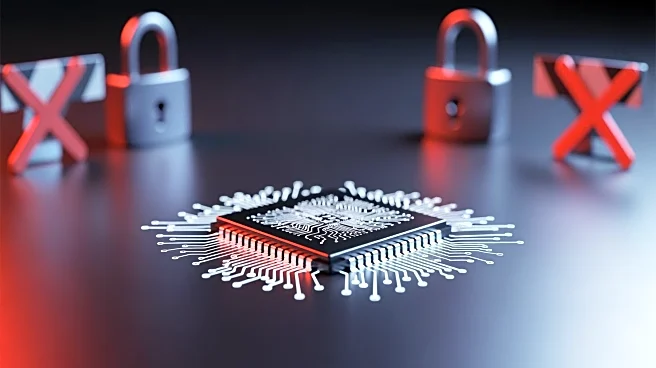
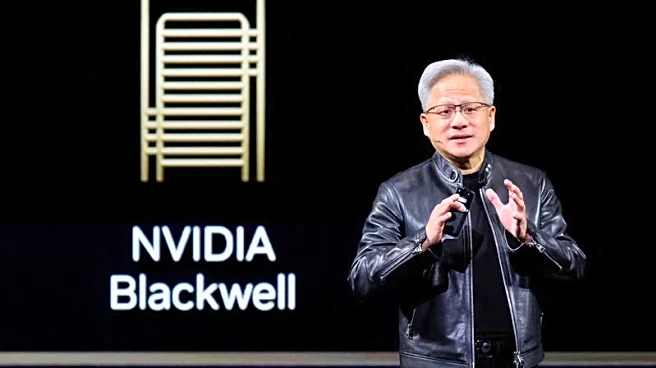
Liaw, Steven Chang, and Willy Sun for allegedly selling $2.5 billion worth of servers to a Southeast Asian company, which then repackaged and sent $510 million worth of servers with banned chips to China. The charges include conspiring to violate the Export Controls Reform Act, smuggling goods, and defrauding the United States, each carrying significant prison terms. The U.S. tightened export controls in 2022, restricting the sale of advanced AI chips like Nvidia's B200 and H200 to China without a government license. Supermicro has placed the involved employees on administrative leave and terminated its relationship with the contractor, while cooperating with the investigation.
Why It's Important?
This case underscores the ongoing tensions between the U.S. and China over technology and national security. The smuggling of advanced AI chips highlights vulnerabilities in export control enforcement and the lengths to which entities may go to circumvent these laws. The incident could lead to stricter enforcement and review of export practices, particularly concerning technology that could enhance China's AI capabilities. The U.S. government views the protection of its advanced technologies as crucial to maintaining a competitive edge and safeguarding national security. This case may prompt further scrutiny of export practices and potential loopholes, especially in regions like Southeast Asia, which are used as transshipment points.
What's Next?
The legal proceedings against the accused individuals will continue, potentially leading to significant penalties if they are convicted. The U.S. government may also review and possibly tighten export control measures to prevent similar incidents. Companies involved in the export of sensitive technologies might face increased compliance requirements and scrutiny. Additionally, this case could influence U.S.-China relations, particularly in the tech sector, as both nations navigate the complexities of trade and technology transfer.