

What's Happening?
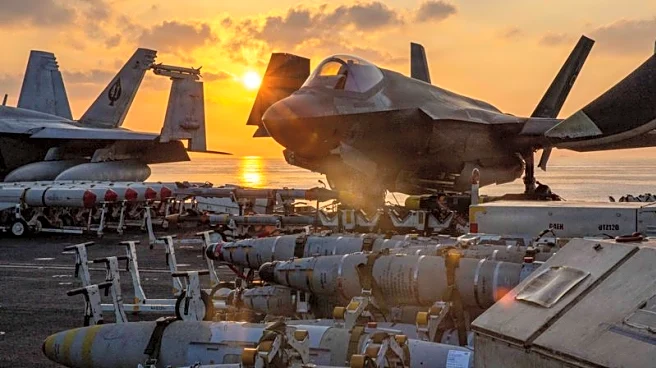
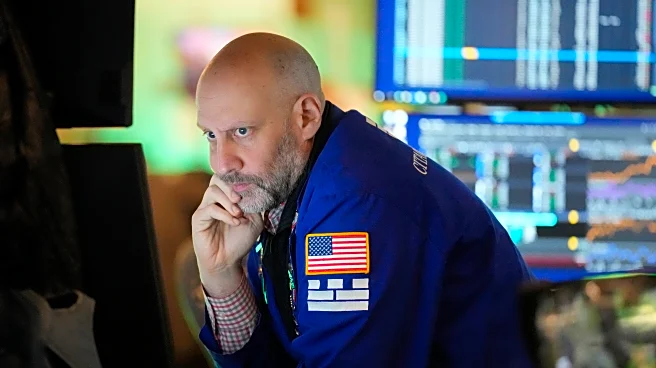
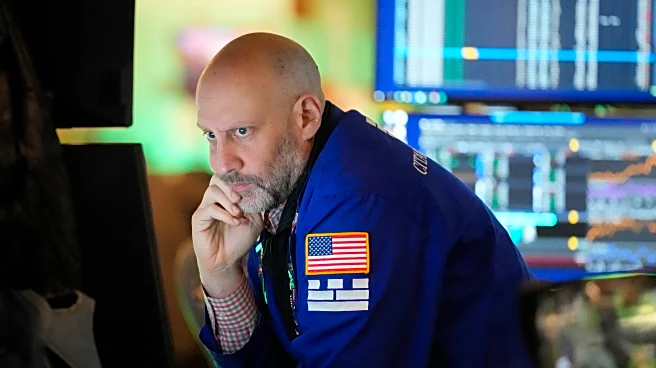
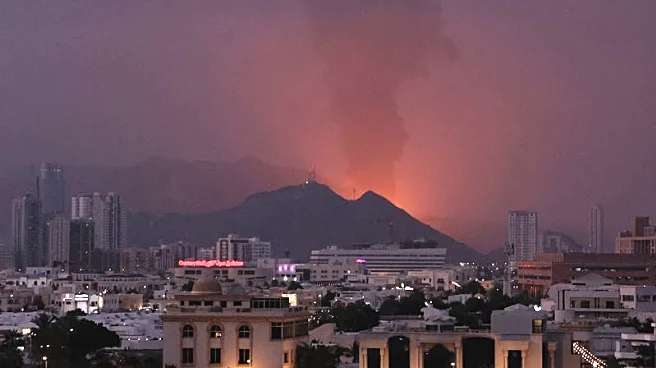
Investors are increasingly concerned about the potential for a prolonged conflict in the Middle East, particularly involving Iran, which could lead to heightened inflation fears and impact economic growth. The recent strikes by the U.S. and Israel on Iran have
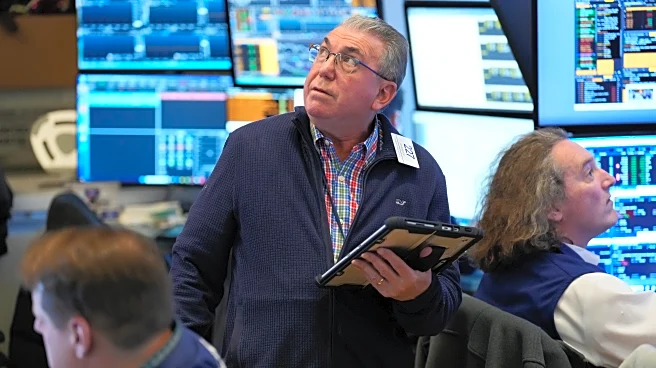
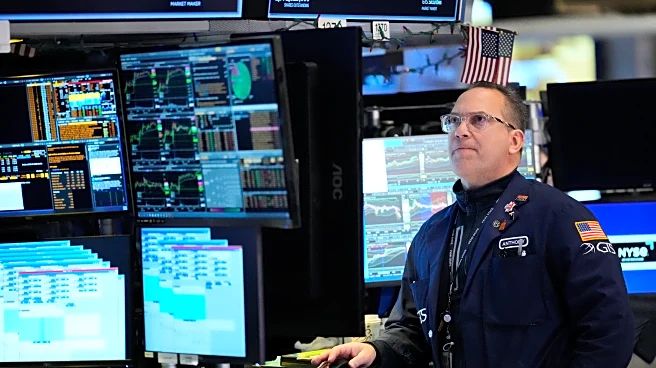
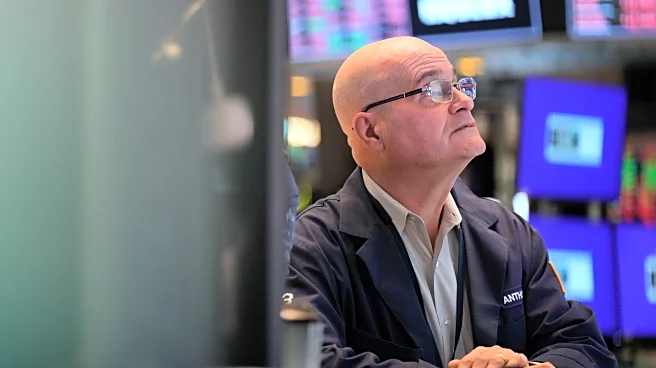
caused significant market volatility, with oil prices rising due to potential disruptions in the Strait of Hormuz, a critical oil supply route. This has led to a broad selloff in the stock market, with the S&P 500 experiencing its lowest level in over three months. The Cboe Volatility Index, a measure of market fear, has also reached its highest level in more than three months. Economists from Goldman Sachs have noted that a sustained 10% increase in oil prices could significantly impact the consumer price index, a key measure of inflation.
Why It's Important?
The potential for a prolonged conflict in the Middle East poses significant risks to the global economy, particularly through its impact on oil prices and inflation. Higher oil prices can lead to increased costs for businesses and consumers, potentially slowing economic growth. The situation also complicates the Federal Reserve's monetary policy decisions, as rising inflation could limit the central bank's ability to cut interest rates. This uncertainty in the financial markets could affect investor confidence and lead to further market volatility. Additionally, the geopolitical tensions highlight the interconnectedness of global economies and the potential for regional conflicts to have widespread economic repercussions.
What's Next?
Investors and market analysts will be closely monitoring developments in the Middle East to assess the potential duration and impact of the conflict. The Federal Reserve's upcoming meetings will be critical in determining how the central bank responds to the evolving economic landscape. Market participants will also be watching for any signs of resolution or escalation in the conflict, as these could significantly influence oil prices and inflation expectations. In the meantime, businesses and consumers may need to brace for continued volatility and potential economic challenges.