



What's Happening?
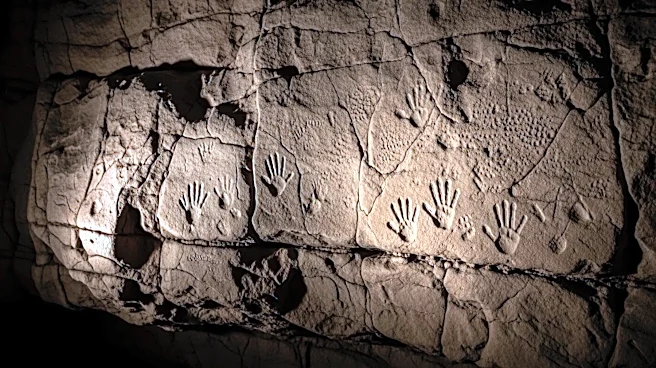
Werner Herzog's acclaimed documentary 'Cave of Forgotten Dreams' has been restored and is now being shown in IMAX theaters. The film, originally released in 2010, explores the Chauvet Cave in France, home to some of the world's oldest known cave paintings.
The restoration process involved upgrading the film from 2K to 6K resolution, enhancing the 3D experience for modern audiences. Despite Herzog's personal disinterest in 3D films, the documentary's use of the format is praised for its ability to capture the cave's unique textures and formations.
Why It's Important?
The re-release of 'Cave of Forgotten Dreams' in IMAX highlights the ongoing interest in film restoration and the use of advanced technology to enhance cinematic experiences. This restoration not only preserves an important cultural artifact but also demonstrates the potential of 3D technology in documentary filmmaking. The film's return to theaters offers audiences a chance to experience the awe and mystery of prehistoric art in a new, immersive way, potentially inspiring renewed interest in both the documentary genre and the history of human creativity.
What's Next?
The film's IMAX release may lead to further interest in restoring other classic films using similar technology. It could also spark discussions about the role of 3D in modern cinema and its potential applications beyond entertainment. As audiences experience the enhanced version of the documentary, there may be increased interest in exploring other historical and cultural subjects through immersive film techniques.
Beyond the Headlines
The restoration of 'Cave of Forgotten Dreams' raises questions about the preservation of cultural heritage and the role of technology in maintaining historical records. It also touches on the philosophical aspects of art and human expression, as the film delves into the origins of creativity and the human soul. The documentary's return to theaters serves as a reminder of the timeless nature of art and its ability to connect us with our distant past.