
What's Happening?
Massachusetts has taken a significant step towards its goal of achieving 5 gigawatts of energy storage capacity by 2030. The Massachusetts Department of Energy Resources (DOER) has completed its first
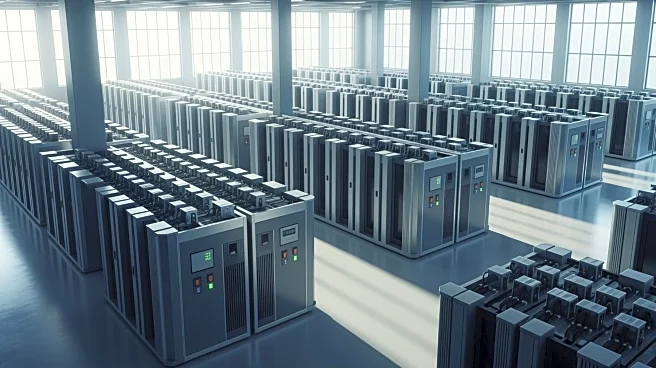
large-scale energy storage tender, awarding contracts totaling 1.268 gigawatts across four projects. These projects include Jupiter Power's Trimount ESS, which will be located at a former Exxon oil terminal in Everett, transforming the site into a clean energy hub. This initiative is expected to defer approximately $2.2 billion in regional transmission upgrades. Other projects awarded include FlatIron Energy's Energizar project in Somerset and the Salt Cod development in Chelsea, as well as Rhynland Energy's River Mill Storage in Tyngsborough. The selected bidders will now enter contract negotiations with major electric distribution companies such as Eversource, National Grid, and Unitil to secure financial support and bring these projects online.
Why It's Important?
This development is crucial for Massachusetts as it seeks to enhance its renewable energy infrastructure and reduce reliance on fossil fuels. By investing in energy storage, the state aims to maximize the use of renewable energy sources like solar and wind, which are intermittent by nature. The awarded projects will help stabilize the grid, reduce energy costs for consumers, and support the state's clean energy transition. The transformation of a former fossil fuel site into a clean energy hub exemplifies the shift towards sustainable energy solutions. This initiative not only supports environmental goals but also stimulates economic growth by creating jobs and attracting investments in the clean energy sector.
What's Next?
The next steps involve formal contract negotiations between the selected bidders and the state's primary electric distribution companies. These negotiations will focus on securing the necessary financial backing to ensure the projects' successful implementation. As Massachusetts continues to lead in renewable energy integration, further tenders are expected, with the next one anticipated in 2026. The success of these projects could serve as a model for other states aiming to enhance their energy storage capabilities and transition to cleaner energy sources.