



What's Happening?
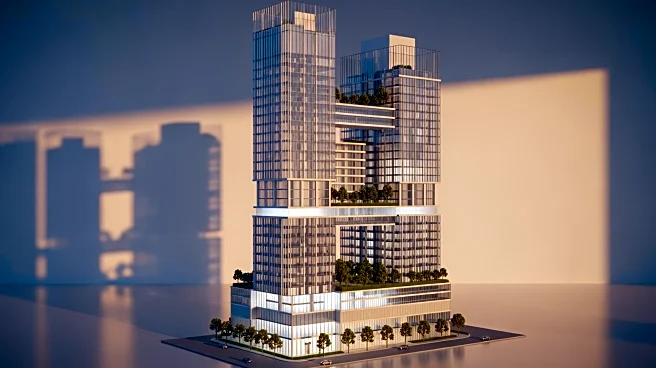
The luxury hotel industry is evolving beyond traditional accommodation models by embracing mixed-use developments that integrate residential, coworking, dining, and entertainment spaces. This shift, termed 'Humans-as-Luxury,' aims to enhance guest experiences
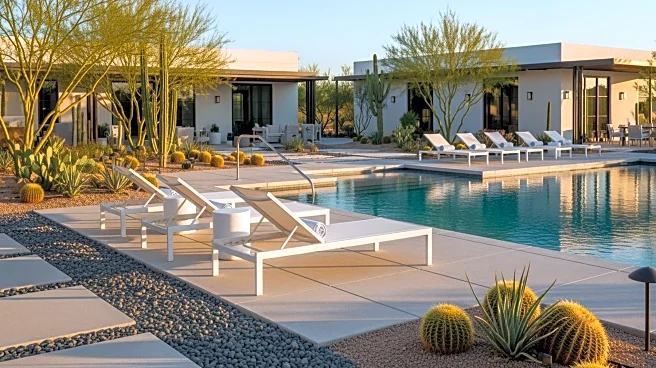
by placing them at the center of carefully designed environments. Notable examples include The Ritz-Carlton's dual-brand portfolio in Arizona and the Planet Hollywood Hotel & Casino in Tbilisi, Georgia. These projects combine luxury lodging with gaming and entertainment, creating comprehensive resort destinations. The trend is supported by a 22% rise in global hotel investment volumes in 2025, as reported by JLL, driven by stronger debt markets and available capital.
Why It's Important?
This shift in the luxury hotel industry reflects a broader trend towards hybrid hospitality, which offers increased asset flexibility and diversified cash flow. By integrating multiple demand generators, such as transient leisure, business travel, and local spending, hotels can better withstand market volatility. This approach not only enhances the guest experience but also supports long-term valuation and pricing power. Investors are increasingly favoring assets with strong place-making characteristics, which can attract a diverse clientele and maintain relevance in competitive markets.
What's Next?
As development costs remain high, the future of hotel value creation will likely depend on adaptability and the ability to combine lodging with complementary uses. This trend is not a passing design fad but a strategic shift in how hotel assets are planned and monetized. Owners and developers are expected to continue exploring ways to capture more use cases and generate returns beyond traditional room sales. This could lead to more innovative projects that redefine the hospitality landscape.
Beyond the Headlines
The move towards mixed-use developments in the luxury hotel sector highlights a cultural shift in consumer expectations, where experiences and convenience are prioritized over traditional luxury markers. This trend may also influence urban planning and real estate development, as hotels become integral parts of community ecosystems, offering spaces for social interaction, work, and leisure. The long-term impact could see a reimagining of urban spaces, where hotels play a central role in community engagement and economic activity.