





What's Happening?
The U.S. Treasury, under the Trump administration, has allowed a sanctions waiver to lapse, which previously permitted countries like India to purchase Russian seaborne oil. This decision follows a month-long extension aimed at mitigating oil supply shortages
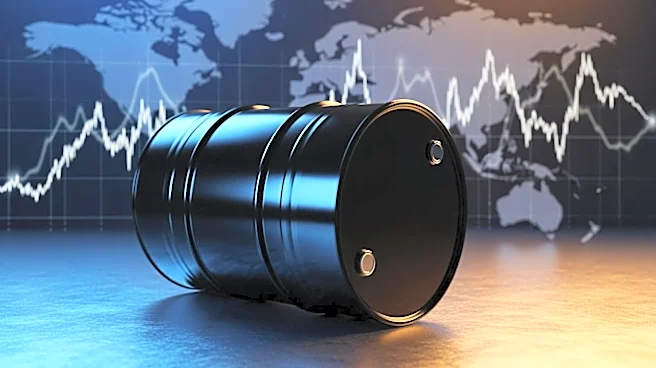
and high prices caused by Iran's closure of the Strait of Hormuz. U.S. Treasury Secretary Scott Bessent had indicated that the general license for purchasing Russian oil stored on tankers would not be renewed. The lapse of this waiver is part of broader efforts by the administration to control global energy prices, which have surged due to ongoing conflicts. Despite these efforts, U.S. gasoline prices remain high, and international oil prices have stayed above $100 per barrel since the conflict began.
Why It's Important?
The expiration of the sanctions waiver is significant as it impacts global oil markets and geopolitical relations. The decision could lead to increased oil prices, affecting consumers and industries reliant on oil. It also highlights the complex interplay between international sanctions and domestic economic policies. The move may strain relations with countries like India, which has been a major consumer of Russian oil. Additionally, the decision underscores the administration's focus on leveraging economic tools to influence global energy markets and geopolitical dynamics, particularly in the context of the ongoing conflict involving Iran.
What's Next?
The lapse of the waiver may prompt countries affected by the sanctions to seek alternative oil sources, potentially reshaping global oil trade patterns. The U.S. administration may face diplomatic challenges as it navigates the repercussions of this decision on international relations and domestic energy prices. Further policy measures may be considered to stabilize energy markets and address the economic impact on American consumers. The situation also raises questions about the future of U.S. sanctions policy and its role in global energy security.