





What's Happening?
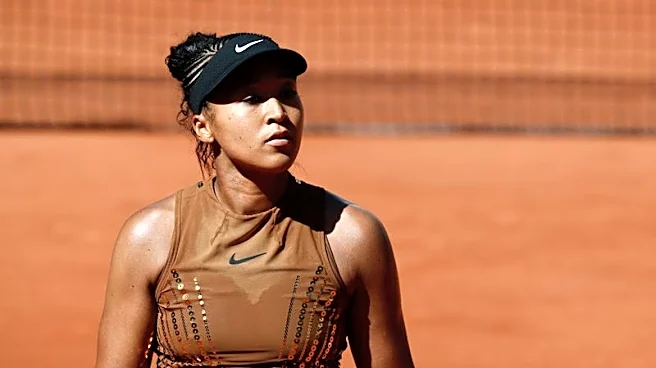
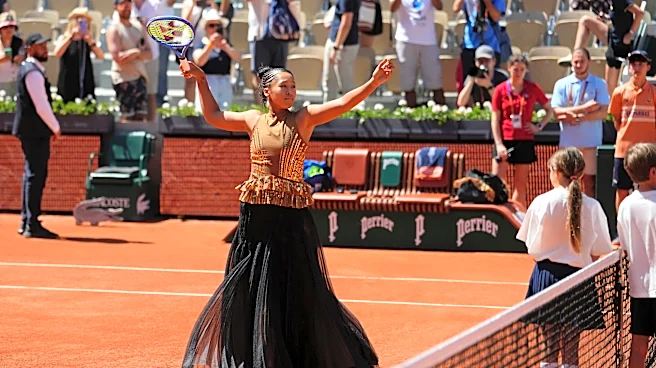
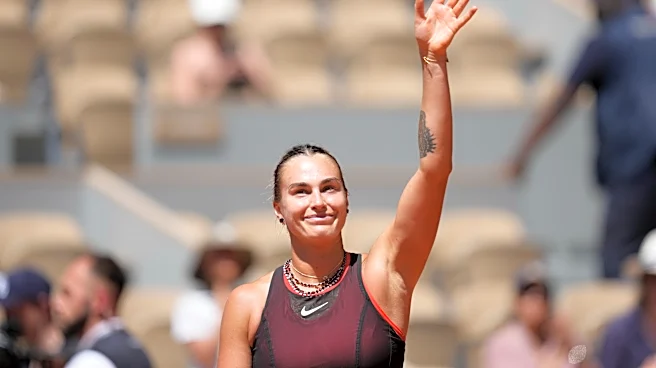
Naomi Osaka's choice of attire during her first-round match at the French Open has become a topic of discussion, particularly with her opponent, Laura Siegemund. Osaka wore a sequined gold dress, which drew attention and criticism from Siegemund, who
expressed her disapproval by stating she was there to play tennis, not to participate in a fashion show. Siegemund, ranked World No. 47, also criticized the perceived preferential treatment Osaka received, particularly regarding the time allowed for outfit changes before the match. Siegemund highlighted the strict time regulations typically enforced in tennis, suggesting that Osaka was given more leniency due to her status. This incident follows Osaka's history of making bold fashion statements at major tournaments, including the Australian Open and the US Open.
Why It's Important?
The incident underscores ongoing discussions about the intersection of sports and entertainment, particularly in tennis, where athletes like Naomi Osaka are known for their off-court personas as much as their on-court performances. This situation raises questions about fairness and consistency in the enforcement of rules, as well as the influence of star power in professional sports. For the tennis community, it highlights the need to balance the sport's traditional aspects with the evolving nature of athlete branding and entertainment. The broader implications touch on how sports organizations manage star athletes and the potential impact on the sport's integrity and public perception.
What's Next?
The controversy may prompt discussions within tennis governing bodies about the enforcement of rules and the potential need for clearer guidelines regarding attire and time allowances. Stakeholders, including tournament organizers and players, might engage in dialogue to address perceived disparities in treatment. Additionally, this incident could influence how future tournaments handle similar situations, potentially leading to policy adjustments to ensure fairness and consistency across the board.
Beyond the Headlines
This event highlights the cultural shift in sports where athletes are increasingly seen as entertainers. Naomi Osaka's approach to fashion and self-expression reflects a broader trend of athletes leveraging their platforms to build personal brands. This shift may influence how sports are marketed and consumed, with potential implications for sponsorships and media coverage. The incident also raises ethical considerations about the balance between individual expression and adherence to traditional sports norms.