
What's Happening?
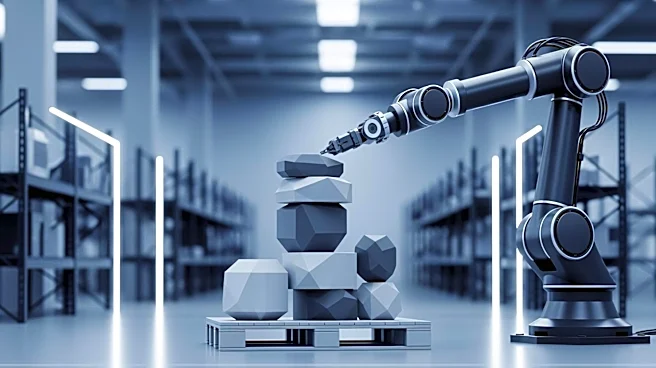
The integration of robotics in supply chains is becoming a critical component of risk management strategies. As robotic automation becomes embedded in facilities, it introduces new risk vectors, such as
vendor dependency and potential system failures. To mitigate these risks, companies are advised to diversify their robotic technologies, ensuring that they are not reliant on a single vendor. This approach, known as 'swap-ability,' allows for the seamless integration of new technologies without disrupting operations. The focus is on maintaining throughput and productivity by orchestrating various forms of automation within the supply chain.
Why It's Important?
Diversifying robotic technologies in supply chains is essential for maintaining operational resilience. As automation becomes more prevalent, the risk of relying on a single vendor increases, potentially leading to disruptions if a vendor fails or raises prices. By adopting a mixed technology set, companies can safeguard against these risks and ensure continuity in their operations. This strategy is particularly important as supply chains face increasing pressures from global events, regulatory changes, and technological advancements. The ability to adapt and integrate new technologies without significant disruptions will be a key differentiator for companies in the future.
What's Next?
Companies will need to conduct thorough evaluations of their current robotic systems and identify areas where diversification is needed. This may involve investing in new technologies, training staff on new systems, and developing comprehensive orchestration strategies to manage multiple forms of automation. As the industry evolves, there will be a growing demand for solutions that can integrate diverse technologies seamlessly. Companies that successfully implement these strategies will be better positioned to handle future disruptions and maintain a competitive edge in the market.