




What's Happening?
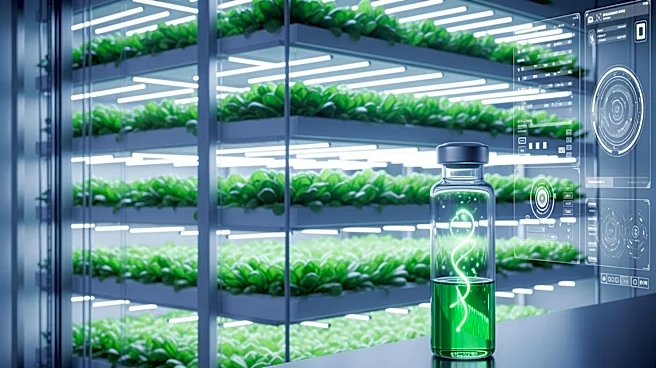
The global Indoor Vertical Farm-Safe Crop Protection Chemistry Market is experiencing significant growth, driven by the convergence of zero-residue retail mandates, rapid expansion of vertical farm infrastructure, and tightening regulatory frameworks.
According to Fact.MR's analysis, the market, valued at USD 8.8 billion in 2025, is expected to grow to USD 10.4 billion in 2026 and surge to USD 57.9 billion by 2036, with a robust CAGR of 18.7% during the forecast period. The demand for biopesticides and integrated pest management (IPM) programs is increasing as they redefine indoor agriculture by meeting compliance, sustainability, and retailer standards for residue-free crop protection solutions.
Why It's Important?
This market growth is crucial as it reflects a shift towards more sustainable and compliant agricultural practices, particularly in indoor farming. The increasing adoption of biopesticides and IPM programs indicates a move away from conventional synthetic pesticides, which often fail to meet stringent retailer and regulatory expectations. This transition supports the broader goals of sustainability and food safety, aligning with global trends towards reducing chemical residues in food production. The expansion of vertical farming infrastructure, particularly in the U.S., Asia, and Europe, highlights the growing importance of controlled-environment agriculture in addressing food security and urban agriculture needs.
What's Next?
As the market continues to expand, stakeholders are likely to focus on investing in biopesticide research and development, forming long-term partnerships with vertical farm operators, and developing bundled IPM solutions. The emphasis will be on aligning product portfolios with retailer-driven compliance standards, which are increasingly governing supply chains. The market is expected to witness further innovation and specialization, with companies offering data-backed performance and tailored indoor programs gaining a competitive edge.
Beyond the Headlines
The shift towards biopesticides and IPM programs in indoor farming not only addresses compliance and sustainability but also enhances worker safety and system compatibility. This evolution in crop protection chemistry is likely to lead to the standardization of approved chemistry lists, reducing supplier switching and strengthening long-term partnerships. The market's growth is also indicative of a broader trend towards integrating technology and sustainability in agriculture, which could have long-term implications for global food systems.