



What's Happening?
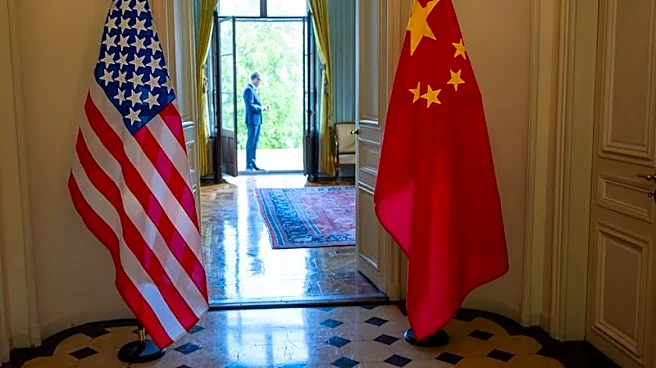
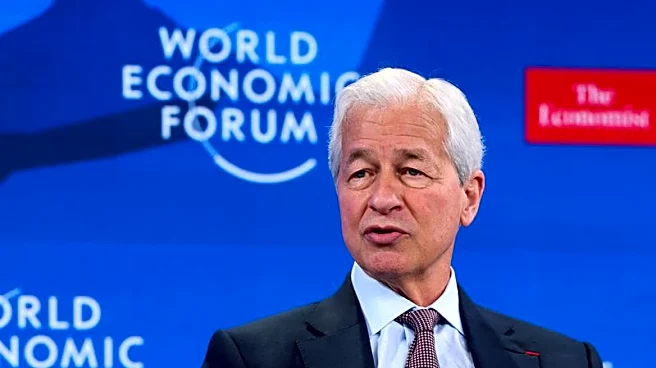
Ray Dalio, founder of Bridgewater Associates, expressed optimism about the upcoming meeting between U.S. President Donald Trump and Chinese President Xi Jinping, scheduled for May 14-15 in Beijing. The meeting is expected to focus on trade and capital
flows, aiming to ease bilateral tensions between the world's two largest economies. Dalio highlighted the importance of empathy and collaboration between the leaders, suggesting that positive outcomes could benefit investors and markets. The meeting follows a previous agreement to lower tariffs and postpone stricter rare earth export controls. Dalio's comments come amid ongoing geopolitical and economic tensions, including the Iran war, which delayed Trump's visit initially planned for late March.
Why It's Important?
The meeting between President Trump and President Xi holds significant potential for improving U.S.-China relations, which have been strained by trade disputes and geopolitical tensions. Successful negotiations could lead to reduced tariffs and improved capital flows, benefiting global markets and economic stakeholders. For investors, a positive outcome may signal stability and growth opportunities, particularly in sectors affected by trade policies. The meeting also represents a critical diplomatic effort to address broader geopolitical issues, including the Iran conflict, which has implications for international security and economic stability. The ability of both leaders to navigate these challenges could set the tone for future U.S.-China interactions.
What's Next?
Following the meeting, stakeholders will closely watch for announcements regarding trade agreements and policy changes. Potential outcomes include tariff reductions, increased cooperation on economic issues, and joint efforts to address geopolitical tensions. The meeting's success could influence market confidence and investment strategies, particularly in sectors sensitive to U.S.-China relations. Additionally, the diplomatic engagement may impact broader international alliances and negotiations, as other countries assess the implications for their own trade and security policies. The global community will be attentive to any shifts in U.S.-China dynamics that could affect economic and political landscapes.