





What's Happening?
The Global Port Tracker report, released by the National Retail Federation and Hackett Associates, highlights the impact of the Iran conflict and tariffs on U.S. import volumes. The report notes a decrease in retail container imports due to rising fuel
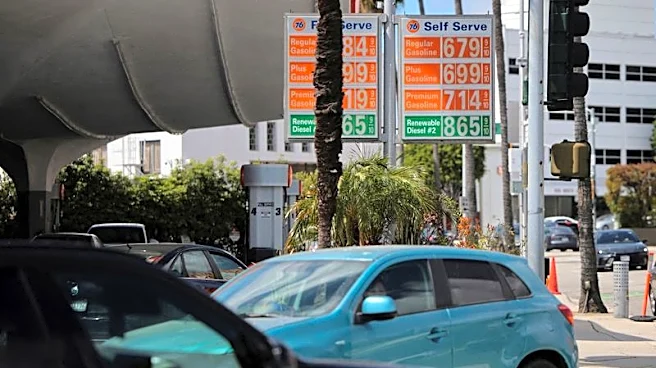
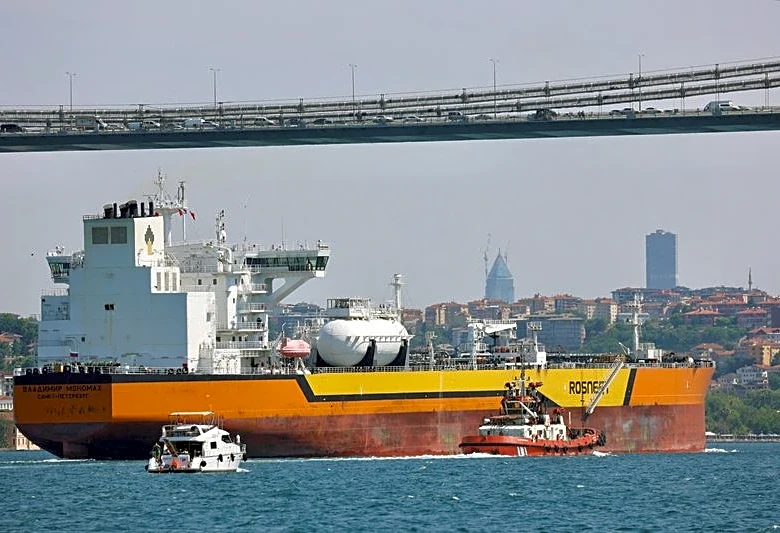
costs and tariffs, despite the U.S. not importing significant merchandise from the Middle East. The report covers major U.S. ports, including Los Angeles, New York, and Miami, and indicates a 7.5% decrease in imports for February. Projections for the coming months suggest continued fluctuations, with some months showing potential gains due to previous declines. The report also mentions the impact of the blockage of the Strait of Hormuz on global fuel prices, affecting shipping costs.
Why It's Important?
The decrease in import volumes and rising fuel costs have significant implications for the U.S. economy. Retailers face increased costs, which could lead to higher consumer prices. The situation underscores the interconnectedness of global supply chains, where disruptions in one region can have widespread effects. The ongoing trade policy uncertainty and tariffs add pressure on U.S. businesses, potentially affecting employment and economic growth. The report's findings highlight the need for strategic planning and adaptation by retailers and policymakers to mitigate these challenges.
What's Next?
Future import volumes will depend on geopolitical developments and trade policy decisions. Retailers and transportation partners are closely monitoring the situation to minimize disruptions. The U.S. administration's tariff policies and potential new trade investigations could further influence import dynamics. Stakeholders will need to navigate these uncertainties while balancing cost management and supply chain resilience.