





What's Happening?
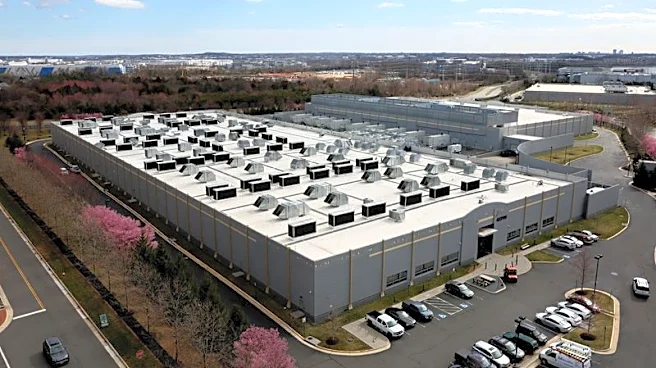
The construction of AI data centers in the U.S. is facing significant delays, which could lead to a reduction in greenhouse gas emissions. These data centers, which require substantial power, often rely on non-renewable energy sources, contributing to environmental
concerns. The delays are attributed to a bottleneck in the supply of essential electrical components manufactured abroad. As a result, many planned data centers have not yet begun construction, and some may be canceled altogether. This slowdown in development could prevent the need for additional power plants, thereby reducing potential emissions.
Why It's Important?
The delay in data center construction highlights the challenges of balancing technological advancement with environmental sustainability. While AI and data centers are crucial for technological progress, their energy demands pose significant environmental risks. The current situation underscores the need for a more sustainable approach to energy consumption in the tech industry. By potentially reducing the number of new data centers, the delay could lead to a decrease in reliance on fossil fuels, aligning with broader climate goals.
What's Next?
The tech industry may need to reassess its growth strategies and explore more sustainable energy solutions. The delays could prompt a shift towards greater investment in renewable energy sources and more efficient technologies. Policymakers and industry leaders might also consider regulatory measures to ensure that future data center developments align with environmental objectives. The situation presents an opportunity to rethink energy consumption patterns in the tech sector.