






What's Happening?
Georg Baselitz, a pioneering figure in the Neo-Expressionist art movement, has died at the age of 88. Known for his provocative and often controversial works, Baselitz challenged post-World War II German culture with his unique artistic style. His death
was confirmed by his family and shared by his long-time gallery, Thaddeus Ropac. Baselitz's career was marked by his innovative approach to art, including his famous upside-down paintings that redefined viewer perception. Despite facing controversy, such as accusations of indecency and political insensitivity, Baselitz remained a significant figure in the art world, influencing generations of artists.
Why It's Important?
Baselitz's contributions to art have had a lasting impact on the Neo-Expressionist movement and beyond. His work challenged traditional norms and encouraged a reevaluation of art's role in society. By inverting motifs and exploring themes of identity and history, Baselitz pushed the boundaries of artistic expression. His influence extends to contemporary art, where his techniques and themes continue to inspire new artists. Baselitz's legacy is a testament to the power of art to provoke thought and challenge societal norms, making his passing a significant moment in the art community.
What's Next?
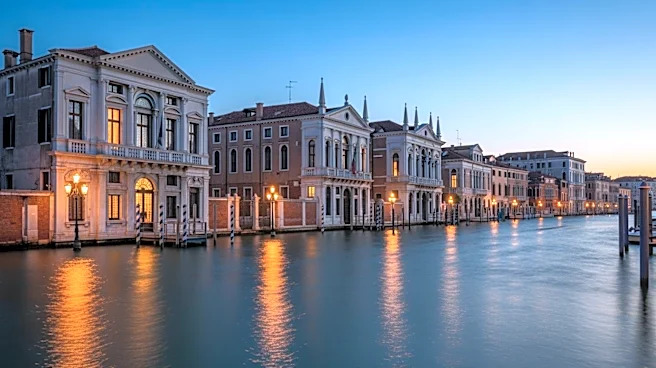
Baselitz's final series, 'Eroi d’Oro (Heroes of Gold),' is set to debut at the Fondazione Giorgio Cini in Venice, coinciding with the Venice Biennale. This exhibition will offer a final glimpse into his artistic vision and serve as a tribute to his enduring influence. The art world will likely reflect on Baselitz's contributions and the controversies that surrounded his career, potentially sparking renewed interest in his work. As his legacy is reassessed, Baselitz's impact on art history and contemporary practices will continue to be a topic of discussion.