



What's Happening?
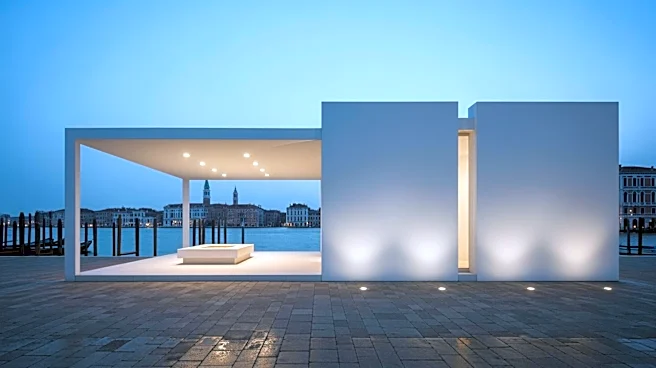
Alma Allen, a Utah-born sculptor, is set to represent the United States at the Venice Biennale, a prestigious international art exhibition. His selection has sparked controversy due to the political climate and the conditions under which he accepted the commission.
Notably, other high-profile artists, such as photographer William Eggleston and sculptor Barbara Chase-Riboud, declined the opportunity, citing the U.S. State Department's requirement that proposals reflect American values without promoting diversity, equity, and inclusion (DEI) initiatives. Allen's decision to accept the role led to his galleries, Mendes Wood and Olney Gleason, dropping him. Despite the backlash, Allen has joined the roster at Perrotin and remains committed to his exhibition, 'Call Me the Breeze,' which will feature both old and new works.
Why It's Important?
The controversy surrounding Allen's representation of the U.S. at the Venice Biennale highlights ongoing debates about the role of art in political discourse and the responsibilities of artists in representing national values. The State Department's stipulations have turned what is typically a prestigious honor into a contentious issue, reflecting broader cultural and political tensions in the U.S. art community. Allen's experience underscores the challenges faced by artists who navigate the intersection of art and politics, particularly when their work is expected to convey national identity and values. This situation also raises questions about the inclusivity and diversity of representation in major international art events.
What's Next?
As the Venice Biennale approaches, Allen's exhibition will be closely watched by both supporters and critics. The art community will likely continue to debate the implications of his selection and the broader issues of representation and artistic freedom. The reception of 'Call Me the Breeze' may influence future decisions by artists and curators regarding participation in politically charged exhibitions. Additionally, the response to Allen's work could impact his career trajectory and the perception of American art on the global stage.
Beyond the Headlines
Allen's story reflects a deeper cultural narrative about the role of self-taught artists and outsiders in the art world. His background and approach challenge traditional pathways to success in the art industry, highlighting the potential for diverse voices to contribute to national and international dialogues. The controversy also prompts reflection on the purpose of art in society and the extent to which it should engage with political and social issues. Allen's work, inspired by ancient Native American art forms, offers a unique perspective on American identity and heritage.