






What's Happening?
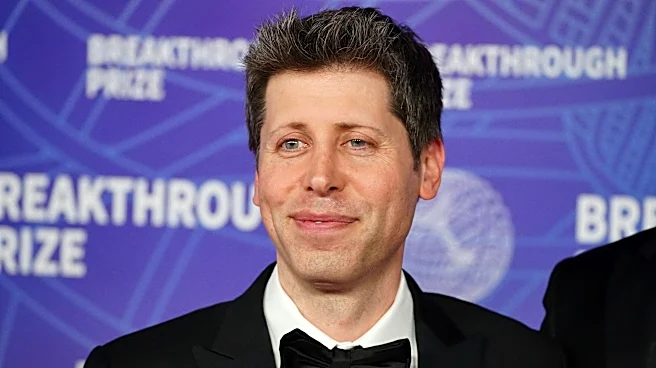
Elon Musk has filed a lawsuit against OpenAI founders Sam Altman and Greg Brockman, accusing them of deviating from the company's original mission to develop AI for the benefit of humanity. The lawsuit, filed in federal court in Northern California, claims
that Altman and Brockman manipulated Musk into co-founding OpenAI under false pretenses, promising a nonprofit structure that was later abandoned in favor of profit-driven motives. Musk is seeking the removal of Altman and Brockman from OpenAI and demands that the company cease operating as a public benefit corporation. He is also asking for up to $150 billion in damages.
Why It's Important?
This legal battle could have significant implications for the future of OpenAI and the broader AI industry. If Musk's claims are upheld, it could lead to a restructuring of OpenAI and impact its operations and strategic direction. The case also highlights ongoing tensions between profit motives and ethical considerations in AI development. The outcome could influence how AI companies balance innovation with societal impact, potentially setting precedents for governance and accountability in the tech industry. Additionally, the lawsuit underscores the competitive dynamics between major tech players, as Musk's own ventures, such as SpaceX and xAI, compete with OpenAI's products.
What's Next?
The trial is set to begin with jury selection, and its proceedings will be closely watched by industry stakeholders. A ruling in favor of Musk could lead to significant changes in OpenAI's leadership and operational model. Conversely, a decision against Musk might reinforce OpenAI's current trajectory and strategic choices. The case may also prompt discussions on the ethical responsibilities of AI companies and the role of founders in maintaining the integrity of their missions. Stakeholders in the tech industry, including investors, policymakers, and competitors, will likely monitor the trial's developments and potential outcomes.