



What's Happening?
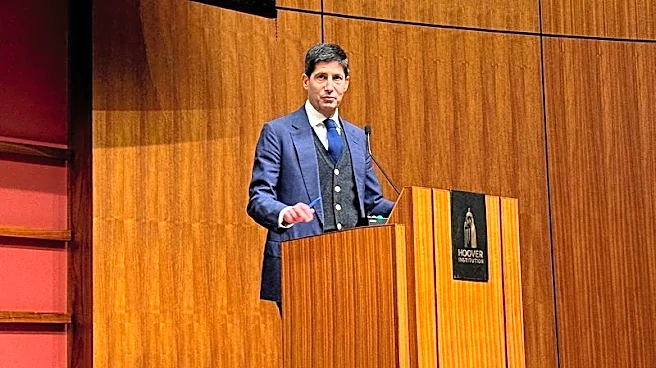
UK glass manufacturer Encirc recently hosted First Minister Michelle O’Neill and deputy First Minister Emma Little-Pengelly at its Northern Ireland facility. The visit focused on the economic impact and future investment opportunities for the energy-intensive
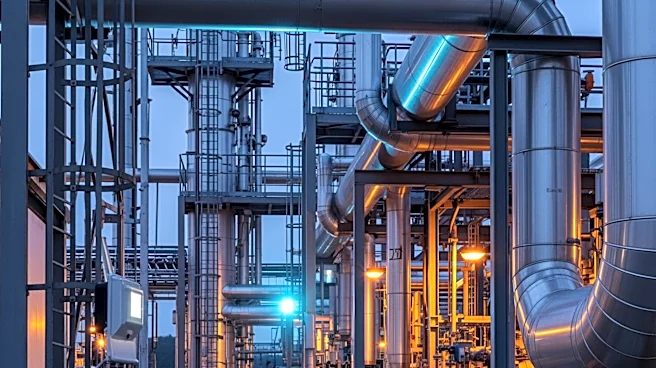
glass manufacturing sector. Encirc's leadership highlighted the challenges posed by high energy costs in Northern Ireland compared to Great Britain and Europe, which affect competitiveness. Discussions also covered the UK's Extended Producer Responsibility (EPR) packaging scheme, which Encirc argues unfairly penalizes glass packaging due to its weight-based fee structure. The company advocates for policy adjustments that consider recyclability to avoid discouraging environmentally beneficial materials. Additionally, Encirc emphasized the potential of biomethane as an alternative energy source, though it requires industry and government collaboration to become commercially viable.
Why It's Important?
The visit underscores the critical role of policy in supporting the competitiveness of Northern Ireland's manufacturing sector. Encirc's concerns about energy costs and EPR fees highlight broader issues facing energy-intensive industries, which could impact jobs and investment. The company's push for biomethane as a sustainable energy source aligns with global decarbonization efforts, but achieving this requires supportive policies and transparent pricing. The outcome of these discussions could influence the future of manufacturing in Northern Ireland, affecting economic growth and environmental sustainability.
What's Next?
Encirc plans to continue engaging with the Northern Ireland Executive to advocate for policies that support sustainable growth and competitiveness. The company is likely to push for changes in the EPR scheme and seek collaboration on biomethane development. The outcome of these efforts could set a precedent for other energy-intensive industries in the region, potentially leading to broader policy shifts.