

What's Happening?
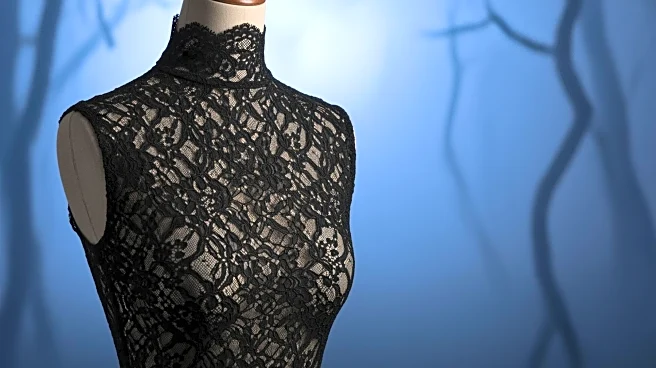
Warner Bros. is leveraging the upcoming release of 'Wuthering Heights' to expand its movie merchandising strategy. The film, starring Margot Robbie and Jacob Elordi, has been heavily promoted through a press tour featuring high-fashion collaborations. Warner Bros. has partnered with 35 brands to create 'Wuthering Heights'-branded products, ranging from clothing to accessories. This approach is part of a broader trend where film studios capitalize on the demand for movie-related merchandise. The strategy aims to enhance audience engagement by offering fans a tangible connection to the film's world. This trend is not limited to major studios; even indie films are exploring merchandising opportunities to meet consumer demand.
Why It's Important?
The expansion of movie
merchandising by Warner Bros. reflects a significant shift in film marketing strategies. By collaborating with fashion brands, studios can create additional revenue streams and enhance brand visibility. This approach also caters to the growing consumer desire for immersive experiences, allowing audiences to engage with films beyond the screen. The success of such strategies could influence other studios to adopt similar practices, potentially reshaping the film industry's marketing landscape. For brands, these collaborations offer exposure to new audiences and align their products with popular cultural phenomena, potentially boosting sales and brand recognition.
What's Next?
As Warner Bros. continues to explore merchandising opportunities, other studios may follow suit, leading to an increase in branded products associated with film releases. This trend could result in more diverse and creative collaborations, as studios seek to differentiate their offerings in a competitive market. Additionally, the success of these initiatives may encourage studios to invest more in marketing partnerships, potentially leading to earlier and more extensive planning for future film releases. The impact on consumer behavior and brand loyalty will be closely monitored by both studios and marketing professionals.
Beyond the Headlines
The rise of movie merchandising raises questions about the commercialization of film culture. While these collaborations offer fans new ways to engage with films, they also blur the lines between art and commerce. This trend may lead to debates about the authenticity of film experiences and the potential for over-commercialization. Additionally, the environmental impact of producing and distributing merchandise could become a concern, prompting studios and brands to consider sustainable practices in their collaborations.