





What's Happening?
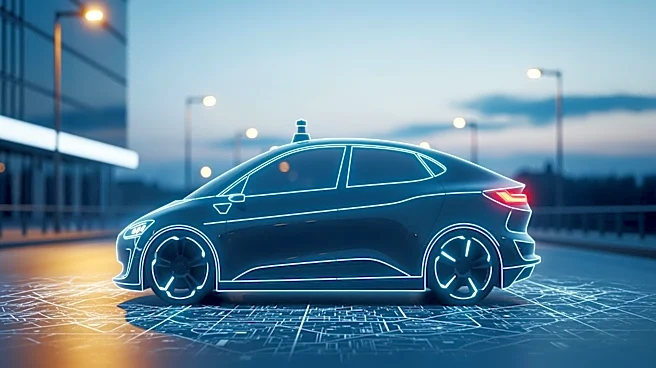
Waymo, a self-driving taxi service, is set to launch its operations in Portland. The company is facing opposition from the rideshare union, which has raised concerns about the safety of autonomous vehicles and the potential impact on jobs within the rideshare industry.
The union argues that the introduction of self-driving cars could lead to job losses for drivers who rely on rideshare services for their livelihood. Waymo's entry into Portland is part of a broader trend of increasing automation in transportation, which has sparked debates about the balance between technological advancement and employment security.
Why It's Important?
The introduction of Waymo's self-driving cars in Portland represents a significant shift in the transportation industry, highlighting the growing role of automation. This development could have wide-ranging implications for the local economy, particularly for those employed in the rideshare sector. While automation promises increased efficiency and potentially lower costs for consumers, it also poses challenges for workers who may face job displacement. The situation underscores the need for policies that address the economic impact of automation and support workers transitioning to new roles. The debate over self-driving technology also raises questions about safety standards and regulatory measures needed to ensure public safety.
What's Next?
As Waymo prepares to launch its self-driving service in Portland, stakeholders including local government, the rideshare union, and the company itself will likely engage in discussions to address concerns raised. These discussions may focus on establishing safety protocols, exploring job retraining programs for affected workers, and considering regulatory frameworks to govern the operation of autonomous vehicles. The outcome of these negotiations could set precedents for how cities integrate self-driving technology while balancing economic and social impacts.