




What's Happening?
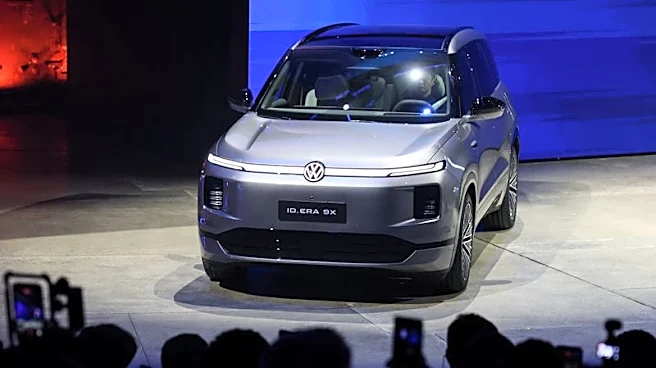
Volkswagen is expected to incur a significant financial charge in the first quarter of 2026 due to its decision to halt production of the ID.4 electric SUV at its Tennessee plant. The company will record a charge equivalent to 60% to 75% of its $800 million
investment in the plant. This decision reflects broader industry trends, as U.S. EV demand has declined following the expiration of the $7,500 federal tax credit in late 2025. Automakers are pivoting back to gasoline models in response to the challenging market conditions.
Why It's Important?
Volkswagen's decision to halt EV production in Tennessee highlights the volatility and challenges facing the U.S. electric vehicle market. The expiration of federal incentives has led to a decrease in consumer demand for EVs, impacting automakers' production strategies and financial performance. This situation underscores the importance of government support in fostering the growth of the EV market and the need for automakers to adapt to changing market dynamics.
What's Next?
Volkswagen and other automakers may need to reassess their strategies and investments in the U.S. EV market. The company could explore alternative models or technologies to align with consumer preferences and market conditions. Policymakers might also consider revisiting incentives and regulations to support the transition to electric vehicles and ensure the competitiveness of the U.S. auto industry.