


What's Happening?
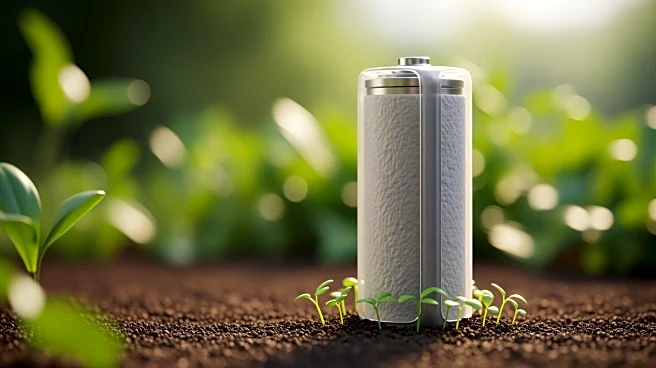
Flint, a Singapore-based startup, has unveiled a new compostable 'paper battery' designed to improve the sustainability of energy storage systems, particularly for electric vehicles (EVs). This innovative battery utilizes cellulose fibers, which are biodegradable and derived from plant cell walls, to create a more environmentally friendly alternative to traditional batteries. The development aims to eliminate toxic materials and simplify supply chain processes. Flint's technology has been gaining attention since its preview at a TechCrunch event in 2023, followed by a $2 million seed funding round in 2024. The company plans to showcase two iterations of the battery at CES 2026 in Las Vegas and has begun volume production at its facility in Singapore.
Why It's Important?
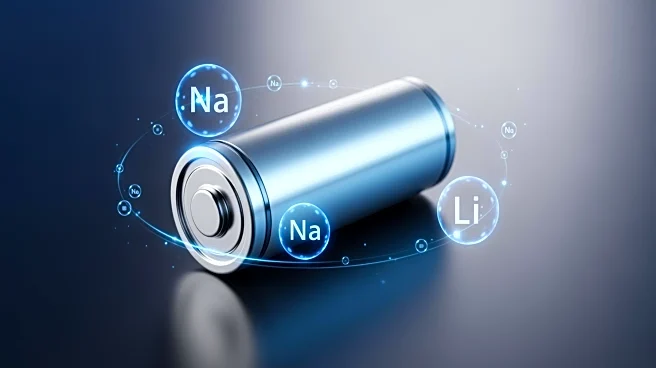
The introduction of Flint's compostable battery represents a significant step towards reducing the environmental impact of EV batteries. Traditional lithium-ion batteries often involve toxic materials and complex supply chains, posing environmental and ethical challenges. By using cellulose, Flint's battery offers a sustainable alternative that could potentially lower production costs and environmental impact. This development is crucial as the demand for EVs continues to rise, necessitating more sustainable energy storage solutions. The success of Flint's battery could influence other companies to adopt similar eco-friendly technologies, potentially transforming the battery manufacturing industry and contributing to global sustainability efforts.
What's Next?
Flint plans to continue scaling up production and integrating its batteries into pilot-scale deployments. The company is targeting early commercial integrations with partners like Logitech and Amazon, focusing initially on hand-held devices. The success of these pilot programs could pave the way for broader adoption in the EV market. Additionally, Flint's approach may inspire further research and development in plant-based battery technologies, potentially leading to new innovations in energy storage. As the company demonstrates the viability of its technology, it may attract more investment and partnerships, accelerating the transition to sustainable battery solutions.