






What's Happening?
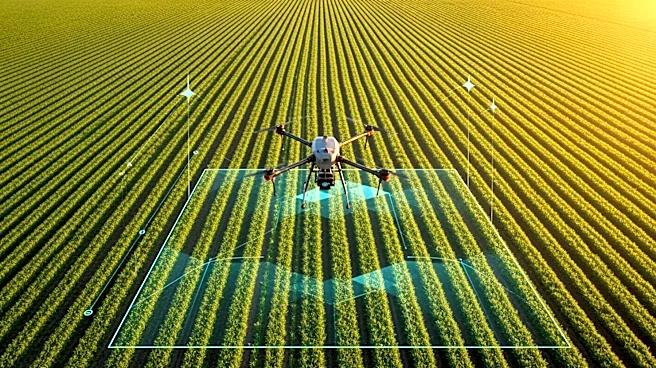
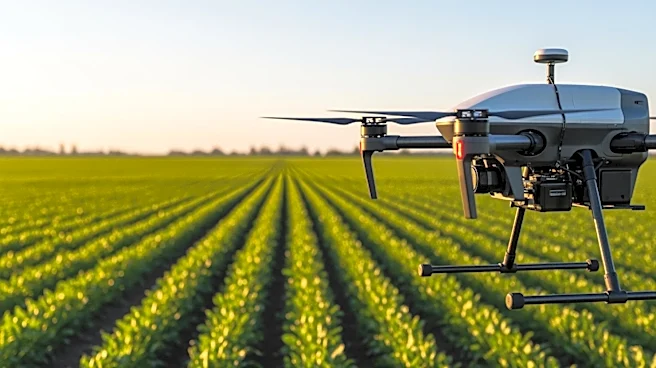
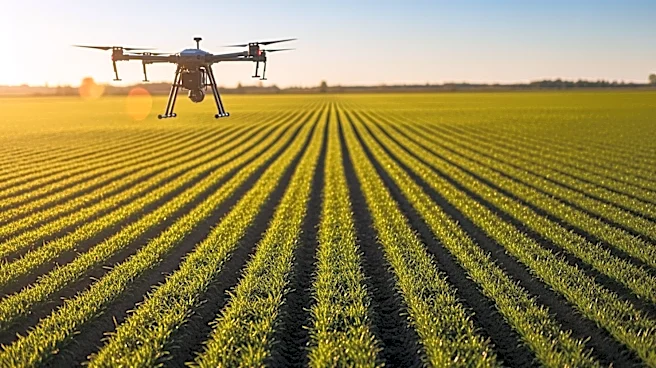
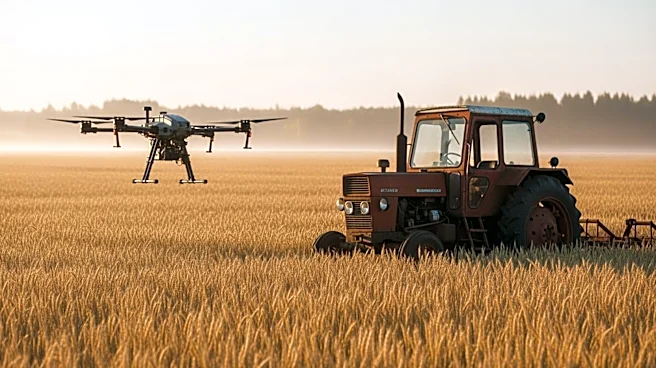
The agricultural industry is grappling with the integration of autonomous systems, which are widely acknowledged as having a significant role in the future of farming. However, the adoption of these systems has not met expectations due to various challenges.
While the technology itself is promising, the economic viability of these systems remains a critical issue. The industry has often approached the problem from an agronomic perspective, focusing on benefits like reduced compaction and labor substitution. However, the core issue lies in the economic feasibility, as the costs and potential returns have not been adequately addressed. This has led to a mismatch between the technological capabilities and the economic realities faced by farmers and dealers.
Why It's Important?
The slow adoption of autonomous systems in agriculture highlights a significant gap between technological innovation and economic practicality. This gap affects not only the manufacturers and dealers but also the farmers who are potential users of these systems. The economic challenges include high initial costs, uncertain return on investment, and the lack of a secondary market for these technologies. These factors contribute to a cautious approach by farmers and dealers, who are hesitant to invest in systems that may not provide a clear economic benefit. The situation underscores the need for a more robust economic framework to support the adoption of autonomous systems, which could ultimately lead to more efficient and sustainable farming practices.
What's Next?
For autonomous systems to gain wider acceptance in agriculture, the industry must address the economic challenges that currently hinder adoption. This includes developing a clearer understanding of the return on investment and creating a supportive infrastructure that can sustain these technologies over the long term. Manufacturers and dealers need to work together to provide more transparent and realistic economic models that can convince farmers of the viability of these systems. Additionally, as the technology matures, secondary markets and institutional support will be crucial in reducing the financial risks associated with adopting autonomous systems.
Beyond the Headlines
The integration of autonomous systems in agriculture could lead to significant shifts in farming practices, potentially reducing the environmental impact and improving efficiency. However, the current economic challenges highlight a broader issue within the agricultural technology sector, where innovation often outpaces the market's ability to absorb new technologies. This situation calls for a reevaluation of how technological advancements are introduced and supported within the industry, ensuring that economic considerations are given equal weight alongside technological capabilities.