



What's Happening?
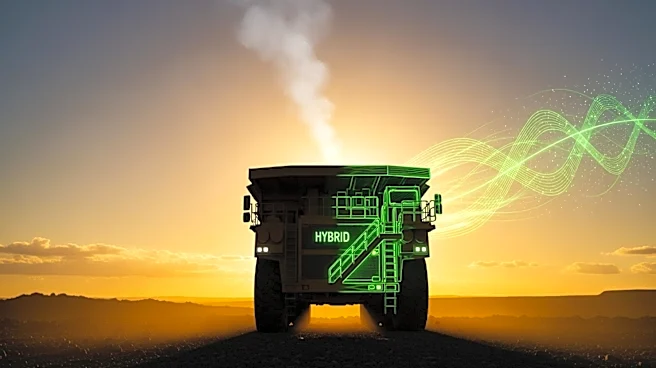
Cummins is advancing hybrid decarbonization in the mining industry through a series of commercial hybrid-electric retrofit pilots. These pilots, powered by First Mode technology, aim to demonstrate the viability of hybrid systems in real-world mining conditions.
One such pilot is underway at the Caserones mine in Chile, where a hybrid-electric system is being tested on a 300-ton haul truck. The system is designed to integrate seamlessly with existing equipment, allowing for continued operation even if a battery module fails. The pilots are intended to prepare mines for widespread hybrid-electric adoption, with the goal of reducing carbon emissions and operational costs.
Why It's Important?
The mining industry faces increasing pressure to reduce its carbon footprint, and Cummins' hybrid pilots offer a practical solution. By demonstrating that hybrid systems can perform effectively in demanding conditions, these pilots could pave the way for broader adoption of sustainable technologies in mining. This shift could lead to significant reductions in greenhouse gas emissions, aligning the industry with global decarbonization goals. Additionally, the integration of hybrid systems could lower operational costs by reducing fuel consumption and maintenance needs, providing economic benefits alongside environmental ones.
What's Next?
Following the success of these pilots, Cummins plans to develop a second version of the hybrid system, with commercial scaling expected between 2027 and 2028. This next phase will enhance power output and introduce self-charging capabilities, further improving efficiency. Mines participating in the pilot programs will be among the first to adopt the new systems, gaining a competitive edge. As the technology matures, it is likely to attract interest from other industries seeking to reduce emissions and improve sustainability. Continued collaboration between technology providers, mining companies, and regulators will be essential to facilitate this transition.
Beyond the Headlines
The adoption of hybrid systems in mining could have broader implications for the industry, including changes in workforce dynamics and regulatory frameworks. As mines transition to more sustainable practices, there may be a need for retraining programs to equip workers with the skills required to operate and maintain new technologies. Additionally, the success of these pilots could influence policy decisions, encouraging governments to support similar initiatives through incentives or regulations. The move towards hybrid systems also highlights the importance of innovation in addressing environmental challenges, setting a precedent for other sectors to follow.