
What's Happening?
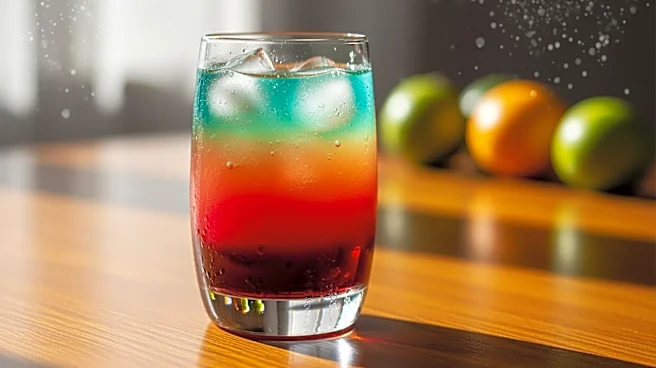
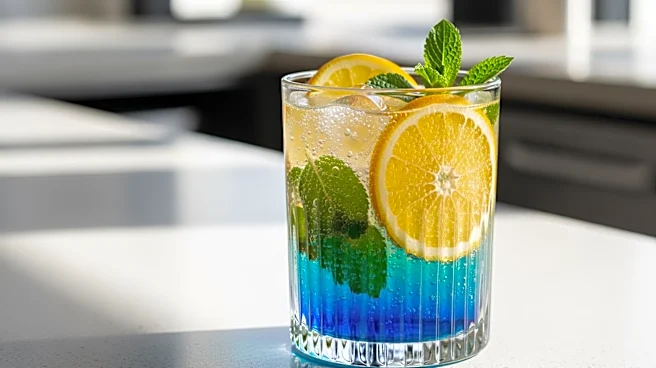
Refreshers, a type of fruit-flavored beverage, are becoming increasingly popular across various fast-food and beverage chains, including Starbucks, Dunkin', and McDonald's. These drinks, which often feature
bright colors and appeal to younger consumers, are being marketed as an 'affordable indulgence' amid a trend of consumers cutting back on eating out. The category has seen significant growth, with Dunkin' reporting double-digit sales gains over the past four years. The drinks are particularly popular among health-conscious consumers who prefer non-caffeinated or low-caffeine options. McDonald's is set to introduce its own line of refreshers in May, as part of a broader strategy to enhance its beverage offerings.
Why It's Important?
The rise of refreshers reflects a broader shift in consumer preferences towards beverages that offer a perceived health benefit and customization. This trend is driving innovation in the beverage industry, as companies seek to capture the attention of younger consumers who are moving away from traditional coffee and tea. The profitability of refreshers, which can command higher prices than standard fountain drinks, makes them an attractive option for chains looking to boost their margins. As the market for these beverages continues to grow, companies that successfully tap into this trend stand to gain a competitive edge in the fast-food and beverage sectors.
What's Next?
With the forecasted growth of refreshers on U.S. menus, companies are likely to continue expanding their offerings to include a wider variety of flavors and caffeine levels. As McDonald's and other chains enter the market, competition is expected to intensify, leading to further innovation and marketing efforts to attract consumers. The focus on beverages as a core menu category suggests that companies will continue to invest in developing new drink options that align with consumer trends towards health and customization. This could result in a more diverse range of beverage choices for consumers and increased competition among chains.