






What's Happening?
In April, the real estate market in New Jersey experienced a continued increase in active listings, marking the 30th consecutive month of inventory growth nationwide. However, the rate of growth has been slowing, with a 4.6% year-over-year increase in active listings compared
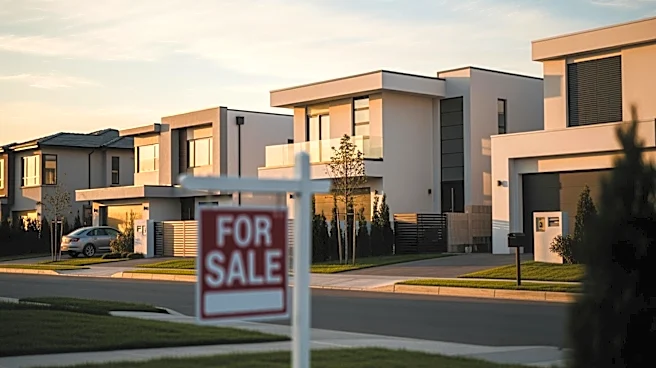
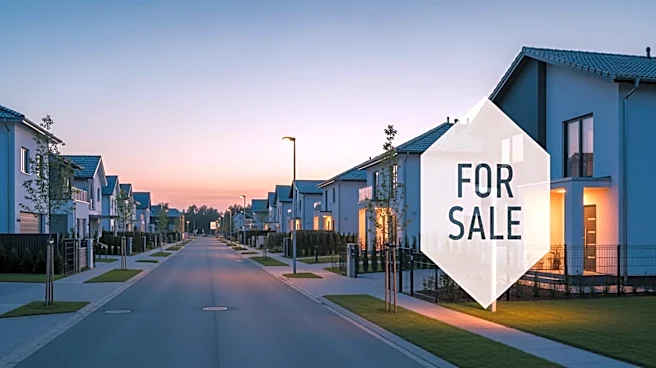
to an 8.1% increase the previous month. Despite this growth, inventory levels remain 12.5% below pre-pandemic levels. The Northeast and Midwest regions saw the greatest increase in inventory, according to Realtor.com's Monthly Housing Market Trends Report. New listings increased by 8.7% year-over-year and 1.1% month-over-month. The median listing price nationally was $425,000, a 1.4% decrease from the previous year. In New Jersey, active listings rose by 15.91% from the previous year, with a median listing price of $554,495, down 2.55% year-over-year.
Why It's Important?
The slowing growth in active listings and the decrease in median listing prices indicate a shift towards a more buyer-friendly market. This trend could benefit potential homebuyers who have been facing high prices and limited inventory. The increase in inventory, particularly in the Northeast and Midwest, suggests a regional shift in housing availability, which could impact local economies and housing markets. The stability in mortgage rates, with 30-year fixed rates ranging from 6.23% to 6.46%, provides a relatively stable borrowing environment for buyers. However, the continued below pre-pandemic inventory levels highlight ongoing challenges in meeting housing demand.
What's Next?
As the real estate market continues to adjust, potential buyers may find more opportunities to purchase homes at more favorable prices. The increase in new listings and price reductions could lead to more competitive pricing and negotiations. Real estate agents and market analysts will likely monitor these trends closely to advise clients on the best strategies for buying or selling homes. Additionally, policymakers may consider measures to address the underlying issues contributing to inventory shortages and high prices, such as zoning reforms or incentives for new construction.