



What's Happening?
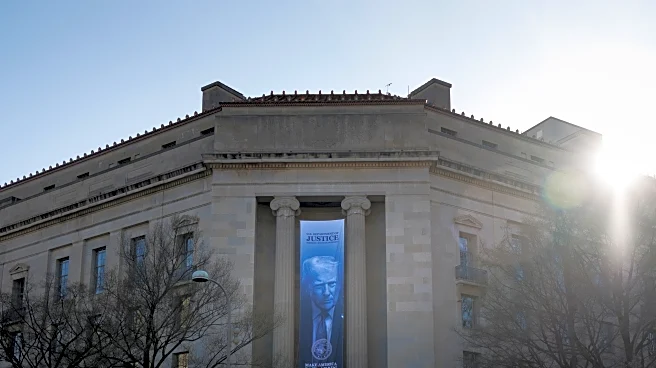
The U.S. Department of Justice (DOJ) has expanded its Corporate Enforcement and Voluntary Self-Disclosure and Cooperation Program, initially introduced by the DOJ's Criminal Division three years ago. This program is designed to encourage companies to voluntarily
disclose financial crimes by offering some protection from prosecution. The recent update broadens the protection granted to companies that self-report misconduct, providing more clarity and consistency across the department. Companies that voluntarily disclose criminal activity, fully cooperate with law enforcement, and timely remediate misconduct may receive a declination letter, which concludes the matter without criminal charges. However, exceptions exist for cases involving aggravating circumstances related to the offense's nature and seriousness. The DOJ aims to ensure consistency in how its 93 U.S. Attorneys' Offices handle corporate criminal enforcement and self-disclosure.
Why It's Important?
The expansion of the DOJ's self-disclosure program is significant for the corporate world as it provides a clearer framework for companies to report financial crimes without facing immediate prosecution. This initiative could lead to increased transparency and accountability within corporations, as they may be more inclined to disclose misconduct knowing they have a chance to avoid legal repercussions. The program also aims to standardize the approach across various U.S. Attorneys' Offices, potentially reducing discrepancies in how cases are handled. For businesses, this could mean a more predictable legal environment, allowing them to better assess the risks and benefits of self-disclosure. Ultimately, the program seeks to foster a culture of compliance and cooperation between the corporate sector and law enforcement.
What's Next?
As the DOJ's expanded program is implemented, companies will need to evaluate the costs and benefits of self-disclosure decisions carefully. The program's success will depend on how consistently it is applied across different jurisdictions and whether it effectively encourages more companies to come forward with disclosures. Legal experts and corporate leaders will likely monitor the outcomes of cases resolved under this program to gain insights into its practical implications. Additionally, the DOJ may continue to refine the program based on feedback and observed outcomes, aiming to enhance its effectiveness in promoting corporate transparency and accountability.