




What's Happening?
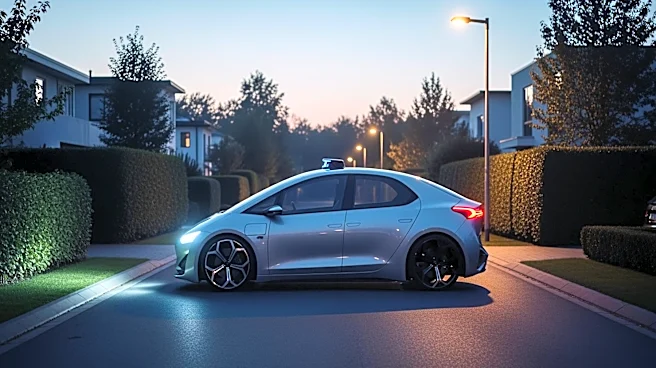
Waymo, the autonomous vehicle company, has implemented an age verification process for its robotaxi riders, which has led to some unexpected reactions. Riders have reported receiving calls from remote support agents during their trips, asking them to confirm
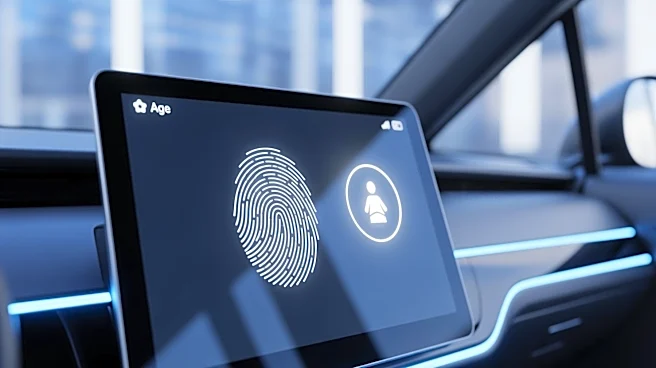
their age. This process is intended to ensure compliance with Waymo's policy that prohibits individuals under 18 from riding without adult supervision. The company uses in-cabin cameras and AI models to flag potential violations, although it does not employ facial recognition. Some riders, who are well over 18, have shared their experiences on social media, expressing amusement or confusion at being 'carded' by a Waymo. The process has also inadvertently flagged individuals with conditions like achondroplasia, leading to calls for system improvements.
Why It's Important?
The implementation of age verification by Waymo highlights the challenges and implications of integrating advanced technology into everyday services. While the system aims to enhance safety and compliance, it raises privacy concerns and questions about the accuracy and inclusivity of AI-driven processes. The reliance on in-cabin cameras and AI models could lead to privacy issues, as advocacy groups have pointed out the potential for surveillance and data misuse. Additionally, the system's current limitations, such as misidentifying adults as minors, underscore the need for continuous refinement to avoid discrimination or inconvenience. This development is significant as it reflects broader trends in the adoption of autonomous vehicles and the ethical considerations that accompany technological advancements.
What's Next?
Waymo has indicated that it will continue to refine its age verification system to improve accuracy and address the concerns raised by users. This may involve updates to the AI models and camera systems to better distinguish between minors and adults, as well as to accommodate individuals with specific conditions like achondroplasia. The company is likely to engage with stakeholders, including privacy advocates and affected communities, to ensure that its policies and technologies align with ethical standards and user expectations. As autonomous vehicles become more prevalent, similar issues may arise, prompting industry-wide discussions on privacy, safety, and inclusivity.