


What's Happening?
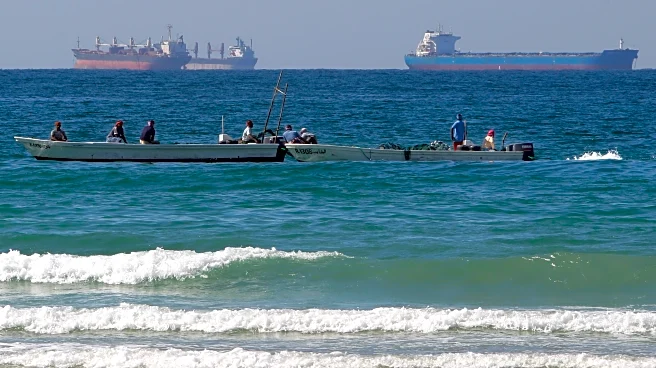
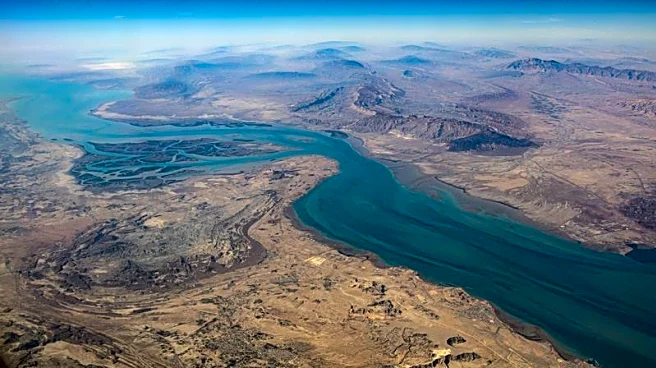
Goldman Sachs has highlighted potential risks to aluminium prices due to disruptions in the Strait of Hormuz, a critical shipping route. Following joint US and Israeli military actions against Iran, approximately 150 ships are stranded, impacting the export
of aluminium from the Middle East to the US and Europe. The commander of Iran's Revolutionary Guards has threatened to set fire to any ship attempting to transit the strait. This situation has already led to a rise in aluminium prices on the London Metal Exchange, reaching their highest in over a month. Goldman Sachs notes that if the disruption persists for a month, it could significantly impact global aluminium inventories and prices.
Why It's Important?
The disruption in the Strait of Hormuz could have significant implications for global aluminium markets, particularly affecting supply chains in the US and Europe. Aluminium is a critical material for various industries, including automotive and construction. A prolonged disruption could lead to increased costs for manufacturers and consumers, potentially impacting economic activities and inflation rates. The situation also underscores the geopolitical risks associated with key shipping routes and their influence on global commodity markets.
What's Next?
If the disruption continues, stakeholders in the aluminium market may need to seek alternative supply routes or sources, potentially leading to increased costs and logistical challenges. Governments and businesses might also engage in diplomatic efforts to resolve the situation and ensure the free flow of goods through the Strait of Hormuz. Monitoring the geopolitical developments in the region will be crucial for market participants to anticipate further price movements and supply chain impacts.