







What's Happening?
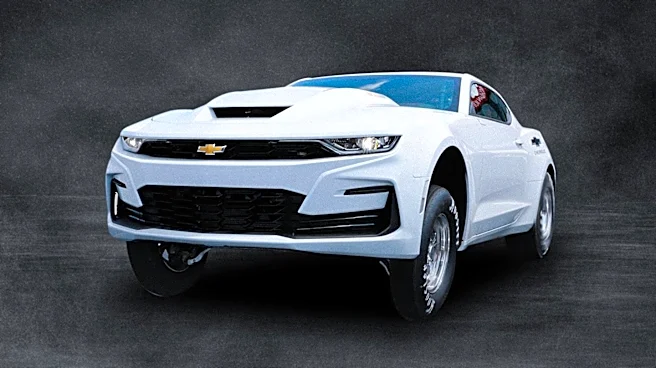
The 1976 Chevrolet Camaro, a second-generation muscle car, is being revisited as a symbol of American automotive history. This model, featuring a 5.0-liter V8 engine with 145 horsepower, represents a period when muscle cars were adapting to new emissions
and safety regulations in the United States. Despite these changes, the Camaro maintained its iconic design and performance characteristics, such as its long hood and V8 engine sound, which have made it a cultural icon. The car's interior and driving experience reflect the era's focus on comfort and style over speed and precision.
Why It's Important?
The 1976 Chevrolet Camaro serves as a reminder of the challenges faced by the American automotive industry during the 1970s, a time when regulatory changes forced manufacturers to innovate and adapt. This period marked a shift in the muscle car market, influencing the design and engineering of future models. The Camaro's enduring popularity highlights the cultural significance of muscle cars in American history and their impact on automotive design. Understanding this era provides insight into how regulatory environments can shape industry trends and consumer preferences.
Beyond the Headlines
The legacy of the 1976 Camaro extends beyond its technical specifications, embodying a nostalgic connection to a bygone era of American car culture. It represents a time when cars were not just modes of transportation but symbols of personal freedom and identity. The preservation and restoration of such vehicles reflect a broader cultural appreciation for classic cars and their role in shaping automotive history. This appreciation continues to influence modern car enthusiasts and collectors, who seek to preserve the heritage and craftsmanship of these iconic vehicles.