






What's Happening?
The average cost of a new car in the United States has risen to nearly $50,000, marking a 30% increase over the past six years. This surge in prices is attributed to automakers focusing on larger, more expensive SUVs and pickup trucks, which yield higher
profits. As a result, the production of smaller, more affordable sedans has decreased. The rise in car prices coincides with broader economic challenges, including high inflation and increased consumer prices. The Labor Department reported a 12.6% increase in new car prices from the previous year. Consumers are responding by opting for longer loan terms, with 7-year loans now comprising over 12% of all sales. This trend is exacerbated by supply chain disruptions and tariffs, which have further impacted vehicle costs.
Why It's Important?
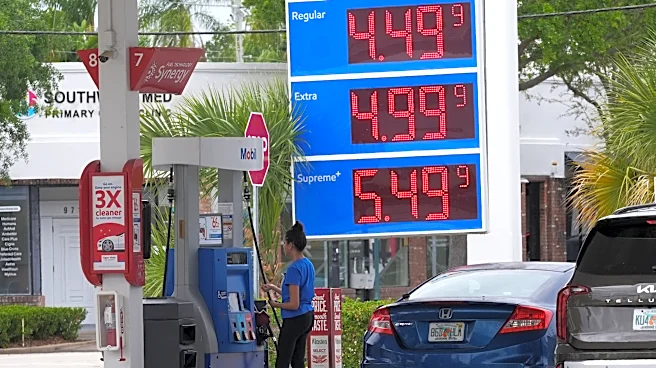
The escalating cost of new vehicles is contributing to broader concerns about affordability in the U.S., affecting consumers' ability to purchase essential goods and services. This situation poses a challenge for political leaders, particularly Republicans, as it coincides with rising gas prices due to international conflicts. The affordability issue is significant for young consumers, who are increasingly finding it difficult to manage expenses as wages fail to keep pace with rising costs. The shift towards more expensive vehicles also impacts the used car market, where affordable options are becoming scarce. This trend could lead to increased financial strain on consumers and influence political discourse around economic policies and consumer protection.
What's Next?
Automakers like Ford and General Motors are acknowledging affordability concerns and have announced plans to offer more vehicles priced under $40,000 by the end of the decade. However, the market dynamics may continue to push consumers towards used vehicles, where prices are also rising. The upcoming midterm elections may see political parties addressing these economic challenges, potentially influencing policy decisions aimed at improving affordability. Additionally, the growing interest in electric vehicles (EVs) could offer consumers alternative options, as the market for used EVs expands with the expiration of leases on previously incentivized models.