

What's Happening?
Tesla Inc., led by CEO Elon Musk, has officially ceased production of its premium Model S and Model X vehicles. This decision marks the end of an era for the automaker, as these models have been a significant part of Tesla's lineup since their respective
launches in 2012 and 2015. Musk announced the cessation of custom orders for these models via a social media post, noting that remaining units are still available in inventory. The company plans to hold a ceremony to commemorate the end of production for these iconic vehicles. The Model S and X were among Tesla's early models, following the original Roadster, and have been known for their luxury features and innovative designs, such as the Falcon wing doors on the Model X.
Why It's Important?
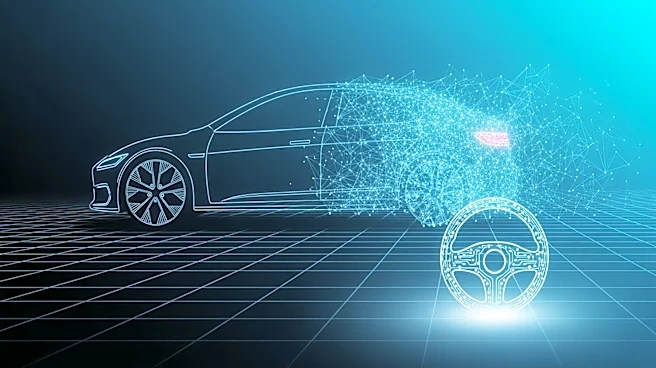
The discontinuation of the Model S and X production signifies a strategic pivot for Tesla as it shifts focus towards new technologies and models. This move aligns with Tesla's broader strategy to enhance its AI and autonomous driving capabilities, as evidenced by its investment in the Optimus Humanoid Robot and the development of the Cybercab, a vehicle without a steering wheel or pedals. The decision also reflects Tesla's response to market demands and the need to refresh its lineup amid declining sales. By reallocating resources to newer projects, Tesla aims to maintain its competitive edge in the rapidly evolving electric vehicle market.
What's Next?
Tesla's future plans include the production of the Optimus Humanoid Robot and the potential introduction of a new vehicle model, possibly a 3-row vehicle, as hinted by recent leaks. The company is also focusing on enhancing its AI capabilities with the Terafab AI Chip project. These developments suggest that Tesla is positioning itself to lead in the next generation of electric and autonomous vehicles. Stakeholders and industry observers will be watching closely to see how these strategic shifts impact Tesla's market position and financial performance.