






What's Happening?
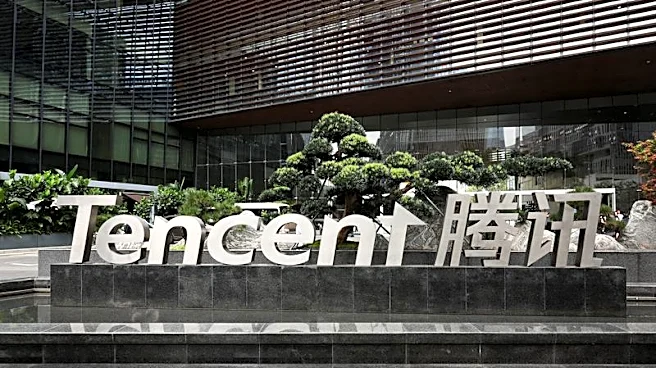
Nvidia has gained significant attention after the U.S. Commerce Department approved the sale of its H200 GPUs to approximately 10 Chinese technology companies, including Alibaba, Tencent, ByteDance, and JD.com. This approval, reported by Reuters, has not
yet resulted in any deliveries but signals a potential increase in demand for Nvidia's products. The news coincides with Cantor Fitzgerald analyst C.J. Muse raising Nvidia's price target to $350, citing strong demand for AI infrastructure and the company's competitive edge in the semiconductor industry. Nvidia's shares rose by 2% in premarket trading following the announcement. The approval is seen as a critical development for Nvidia, as it could bolster the company's growth trajectory amid tight compute supply and ongoing semiconductor supply chain bottlenecks.
Why It's Important?
The approval of Nvidia's GPU sales to Chinese companies is significant as it highlights the ongoing demand for AI infrastructure, which is crucial for Nvidia's growth. This move could enhance Nvidia's market position, especially as AI spending is expected to continue beyond 2027. The approval also reflects the U.S. government's nuanced approach to tech trade with China, balancing national security concerns with economic interests. For Nvidia, this development could lead to increased revenue and market share, particularly in the AI sector, where it faces competition from companies like AMD and Intel. The potential for a share buyback and increased investor confidence could further strengthen Nvidia's financial standing.
What's Next?
Nvidia's upcoming earnings report on May 20 could provide further insights into its financial health and future prospects. Investors will be watching for evidence of continued AI spending and productivity advantages over competitors. The potential for a significant share buyback could also impact Nvidia's stock performance. Additionally, the approval of GPU sales to Chinese firms may prompt reactions from other semiconductor companies and policymakers, as they assess the implications for the broader tech industry and U.S.-China trade relations.