



What's Happening?
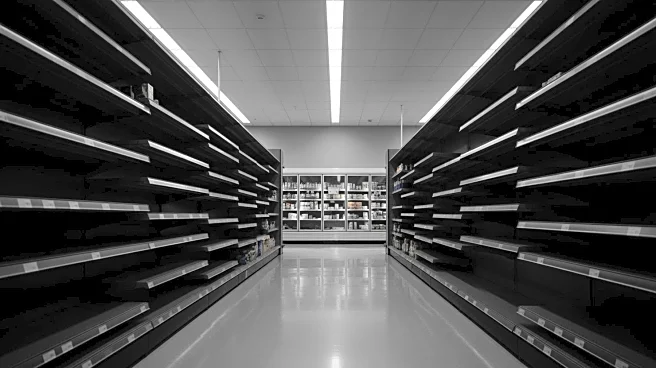
Grocery Outlet, a discount grocery chain based in Emeryville, California, has announced plans to close 36 underperforming stores as part of a strategic 'Optimization Plan' aimed at improving profitability. This decision follows a reported fourth-quarter
net loss of $218.2 million, a significant downturn from a net income of $2.3 million in the previous year. The closures are expected to be completed during fiscal 2026. The company has not disclosed the specific locations of the stores to be closed, but it is known that 24 of them are on the East Coast. Despite these closures, Grocery Outlet plans to open two new stores in the Bay Area, indicating a continued investment in its home market. The company attributes some of its financial challenges to delays in government assistance programs, such as the Supplemental Nutrition Assistance Program, which many of its customers rely on.
Why It's Important?
The closure of 36 stores by Grocery Outlet highlights the ongoing challenges faced by retail businesses in maintaining profitability amid fluctuating economic conditions. The company's significant financial loss underscores the impact of delayed government assistance on consumer spending, particularly for businesses that cater to lower-income customers. This move could affect local economies, especially in areas where the stores are major employers. Additionally, the decision to close stores while opening new ones in strategic locations reflects a shift in business strategy to focus on more profitable markets. This could lead to a realignment of resources and potentially impact the competitive landscape in the grocery sector.
What's Next?
As Grocery Outlet proceeds with its store closures, the company will likely focus on optimizing its remaining locations and enhancing operational efficiency. The opening of new stores in the Bay Area suggests a strategic pivot towards markets with higher growth potential. Stakeholders, including investors and employees, will be closely monitoring the company's performance in the coming quarters to assess the effectiveness of these strategic changes. The broader retail industry may also observe these developments as a case study in navigating economic pressures and shifting consumer behaviors.