







What's Happening?
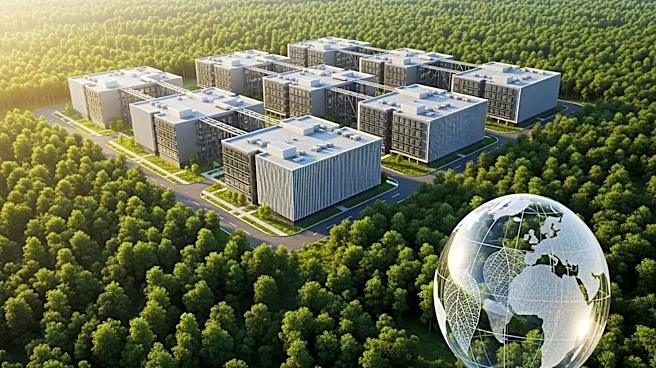
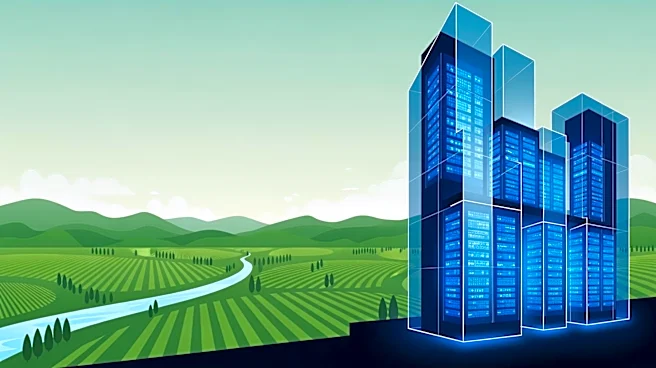
The rapid expansion of data centers across the United States, driven by the demand for AI and technological advancements, is raising concerns about its impact on family farms and water resources. Rural communities, particularly in the South and Midwest,
are experiencing the rezoning of agricultural land for server farms, leading to strained local water supplies due to the high cooling demands of these facilities. The expansion is most notable in states like Virginia, Texas, and Georgia, where numerous data centers are operational or planned. The debate centers around balancing technological growth with the preservation of agricultural land and water resources.
Why It's Important?
The expansion of data centers is crucial for supporting the AI revolution and maintaining the U.S.'s competitive edge in technology and national security. However, the environmental and social impacts of this growth cannot be ignored. The significant water usage by data centers poses a threat to water-stressed regions, potentially affecting local agriculture and community water supplies. The situation calls for smarter development strategies that prioritize sustainable practices, such as co-locating data centers near power sources and employing water-saving technologies. The outcome of this debate will influence future zoning policies and the sustainability of rural communities.
What's Next?
Efforts to address these concerns may lead to the implementation of stricter zoning regulations and the adoption of innovative cooling technologies to reduce water consumption. Policymakers and industry leaders may collaborate to develop solutions that balance technological growth with environmental stewardship. The ongoing debate could also influence public opinion and regulatory approaches to data center development. As the demand for data centers continues to grow, finding a sustainable path forward will be critical to ensuring the long-term viability of both technological and agricultural sectors.