








What's Happening?
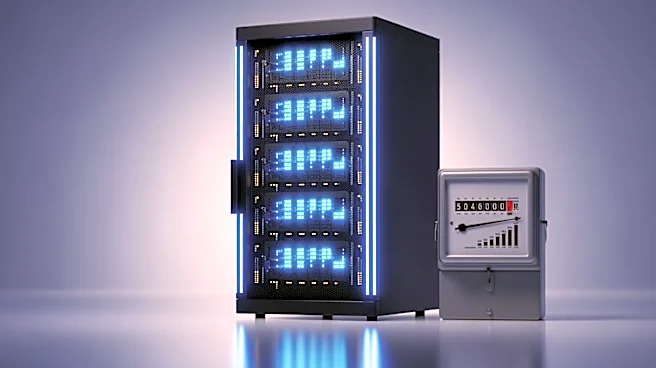
The PJM Interconnection, the largest electrical grid in the U.S., has experienced a significant increase in power prices, with a 76% rise over the past year. This surge is attributed to the growing demand from data centers, according to a report by Monitoring
Analytics, an independent market monitor. The report highlights that wholesale electricity prices have increased from $77.78 to $136.53 per megawatt-hour. Monitoring Analytics criticizes PJM for its inadequate response to the rising demand, particularly from data centers, which are concentrated in Northern Virginia. The report suggests that the grid's current capacity is insufficient to meet the demands of these data centers, and blames PJM for delaying necessary software upgrades and lacking transparency in decision-making.
Why It's Important?
The rising power prices on the PJM grid have significant implications for both consumers and the broader economy. As data centers continue to proliferate, driven by the demands of an AI-driven economy, the strain on the power grid is expected to increase. This situation highlights the challenges of modernizing the U.S. power infrastructure to meet new technological demands. The increased costs are likely to be passed on to consumers, affecting household budgets and potentially slowing economic growth. Additionally, the criticism of PJM's handling of the situation underscores the need for more effective management and planning to ensure the grid can support future demand without causing price spikes.
What's Next?
PJM Interconnection is under pressure to address the issues highlighted by Monitoring Analytics. The grid operator may need to implement software upgrades and improve transparency in its decision-making processes to better manage the growing demand from data centers. Additionally, there may be calls for regulatory changes to ensure that the power grid can accommodate future technological advancements without causing significant price increases. Stakeholders, including utilities and data center operators, will likely engage in discussions to find solutions that balance demand with capacity, potentially leading to new policies or infrastructure investments.