





What's Happening?
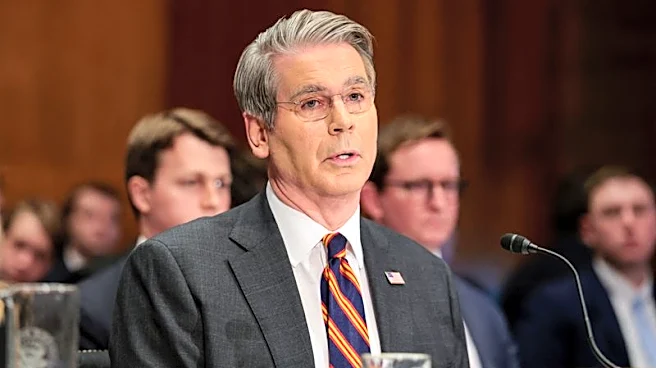
The Federal Reserve's latest Beige Book report highlights the economic uncertainty caused by the ongoing conflict in the Middle East, particularly the Iran war. The report notes that U.S. economic activity has increased, and employment remains steady,
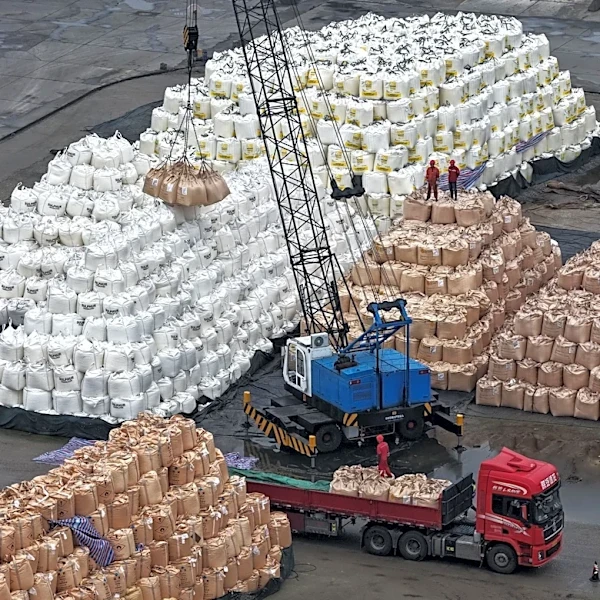
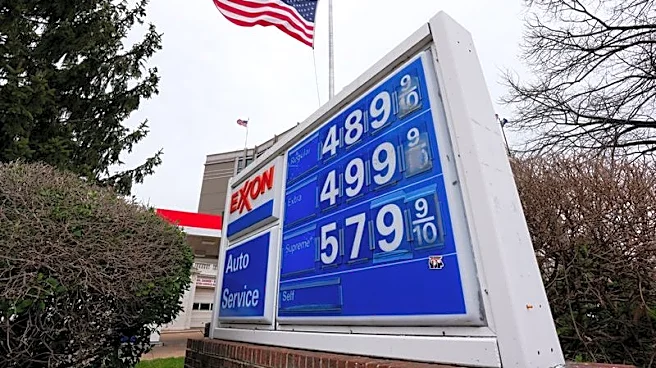
but the surge in energy prices due to the conflict has created significant challenges. The closure of the Strait of Hormuz by Iran has disrupted global oil and fertilizer shipments, leading to increased gasoline and diesel prices in the U.S. The average price of gasoline has risen to over $4 per gallon, and diesel prices have surged to more than $5.60 per gallon. Despite these challenges, the Fed is expected to maintain its current interest rate range of 3.50%-3.75% at its upcoming policy meeting.
Why It's Important?
The ongoing conflict in the Middle East and the resulting rise in energy prices have significant implications for the U.S. economy. Higher energy costs contribute to increased shipping and production expenses, which can lead to broader inflationary pressures. The Federal Reserve's decision to hold interest rates steady reflects a cautious approach to managing these economic uncertainties. Businesses are adopting a 'wait-and-see' approach, which could impact hiring, pricing, and investment decisions. The situation underscores the interconnectedness of global events and their potential to disrupt domestic economic stability.
What's Next?
The Federal Reserve will continue to monitor the economic impact of the Middle East conflict and its effect on inflation and growth. Policymakers may need to adjust interest rates if inflationary pressures persist or if the economic outlook worsens. Businesses and consumers should prepare for potential fluctuations in energy prices and their broader economic implications. The Fed's upcoming policy meeting will be closely watched for any changes in monetary policy in response to these developments.