



What's Happening?
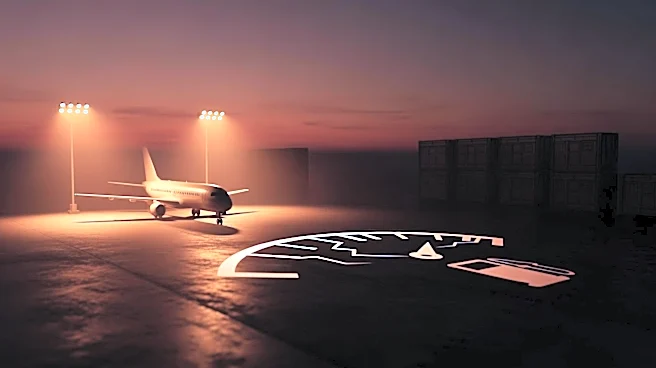
Airlines globally are adjusting their operations in response to rising jet fuel costs, exacerbated by the ongoing conflict in Iran. The temporary reopening of the Strait of Hormuz had initially provided hope for a resolution, but the situation quickly
reversed, leading to further increases in crude oil prices. This has prompted airlines to revise their full-year expectations and adjust their networks to cope with the financial strain. Notably, Lufthansa Group plans to ground several aircraft types to manage costs, while KLM is reducing its European flight operations. The situation underscores the broader impact of geopolitical instability on the airline industry.
Why It's Important?
The rising fuel costs present a significant challenge for airlines, which are already operating on thin margins. The increased expenses could lead to higher ticket prices, reduced flight frequencies, and potential financial losses for carriers. This situation also highlights the airline industry's sensitivity to geopolitical events, which can disrupt operations and financial planning. The adjustments being made by airlines reflect a need to balance cost management with maintaining service levels, which could have implications for travelers and the broader travel industry.
What's Next?
Airlines will continue to monitor geopolitical developments closely, as any changes in the Iran conflict could further impact fuel prices and availability. The industry may also seek government support or explore alternative fuel strategies to mitigate the financial impact. Additionally, airlines may need to engage in strategic planning to ensure long-term sustainability in the face of ongoing geopolitical uncertainties.