






What's Happening?
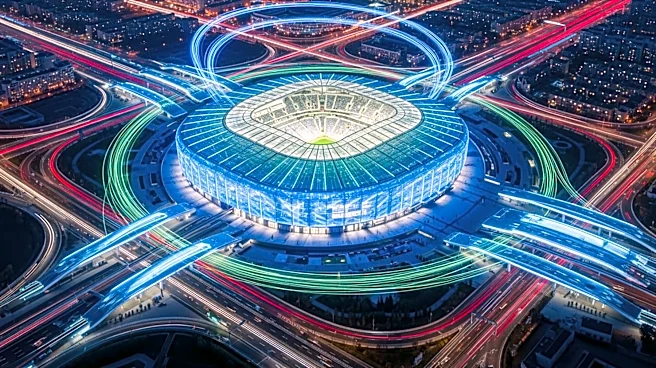
Miami is gearing up to host seven matches during the 2026 FIFA World Cup, including four group-stage games, a round of 32 matchup, a quarterfinal, and the tournament's third-place match. These events will take place at the Hard Rock Stadium, which will be
temporarily renamed Miami Stadium for the duration of the World Cup. The stadium, located in Miami Gardens, is expected to draw approximately 65,000 fans per match, totaling over 450,000 attendees. To accommodate the influx of visitors, Miami International Airport and Fort Lauderdale-Hollywood International Airport, both about 15 miles from the stadium, will serve as key entry points. The city is also preparing extensive transportation and parking plans, including shuttle services and designated rideshare zones, to manage the expected high volume of traffic and ensure smooth access to the stadium.
Why It's Important?
Hosting the 2026 FIFA World Cup is a significant opportunity for Miami, as it positions the city on a global stage, potentially boosting its international profile and tourism industry. The event is expected to bring substantial economic benefits, including increased revenue for local businesses, hotels, and restaurants. The influx of international visitors will likely enhance cultural exchange and showcase Miami's diverse offerings, from its vibrant nightlife to its culinary scene. Additionally, the event will require significant logistical coordination, providing opportunities for local employment and infrastructure development. However, the city must also address challenges such as traffic congestion and security to ensure a successful and safe experience for all attendees.
What's Next?
As the World Cup approaches, Miami will continue to refine its logistical and security plans to accommodate the large number of visitors. This includes finalizing transportation routes, enhancing public transit options, and coordinating with local law enforcement to ensure safety. The city will also engage in promotional activities to attract tourists and highlight its attractions. Local businesses and hospitality sectors are expected to ramp up preparations to meet the anticipated demand. Additionally, ongoing communication with FIFA and other stakeholders will be crucial to address any emerging issues and ensure a seamless execution of the event.