


What's Happening?
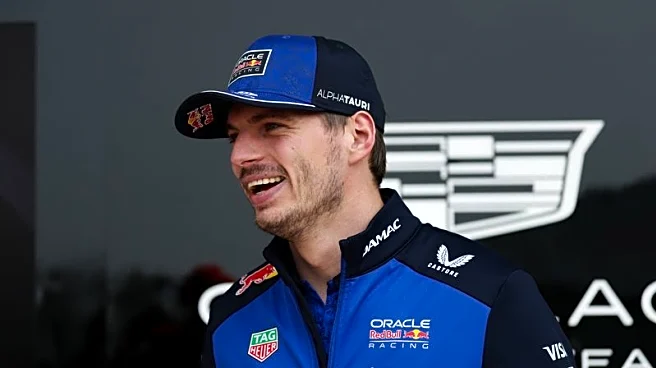
Martin Brundle, a Sky Sports pundit, has expressed his frustration with Max Verstappen's repeated threats to leave Formula 1 due to dissatisfaction with new regulations and car designs. Verstappen, a four-time world champion, has been vocal about his displeasure,
suggesting he might exit the sport at the end of the season. Brundle criticized Verstappen's comments as 'boring' and emphasized that no driver is indispensable. He noted that the sport would continue to thrive with or without Verstappen, highlighting the presence of other talented drivers ready to step up. Verstappen's contract with Red Bull extends until 2028, but he has hinted at an exit clause that could allow him to leave earlier if the team's performance does not meet expectations.
Why It's Important?
Verstappen's potential departure from Formula 1 could significantly impact the sport, given his status as one of its top drivers. His exit would not only affect Red Bull's competitive standing but also the overall dynamics of the F1 grid. The situation underscores the tension between drivers and the sport's governing bodies over regulatory changes, which aim to enhance competition but may not align with all drivers' preferences. Brundle's comments reflect a broader sentiment that the sport must adapt to new challenges while maintaining its appeal to top talent. The outcome of this situation could influence future regulatory decisions and the strategic direction of teams like Red Bull.
What's Next?
If Verstappen decides to leave, Red Bull will need to find a replacement capable of maintaining their competitive edge. The team may also need to address any contractual clauses that could facilitate his early exit. Meanwhile, F1's governing bodies might face pressure to reconsider or adjust the new regulations to retain top drivers. The upcoming races will be crucial in determining whether Verstappen's concerns are addressed and if he remains committed to the sport. Stakeholders across F1 will be closely monitoring the situation, as it could set a precedent for how driver dissatisfaction is managed in the future.