






What's Happening?
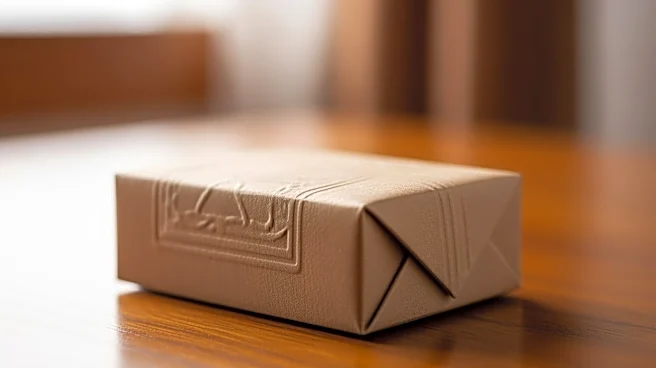
Confectionery brands are increasingly turning to paper-based packaging as a response to rising plastic prices and environmental concerns. The shift is driven by disruptions in oil and petrochemical flows, particularly through the Strait of Hormuz, which
have led to a significant increase in the cost of polyethylene and polypropylene. Companies like Coveris and Nextek are pioneering efforts to develop high-quality recycled resin from post-consumer plastic waste, although integrating food-grade recycled plastic remains challenging due to contamination and strict food safety regulations. Major brands such as Mars, Mondelez International, Ferrero, and Nestlé are struggling to meet their plastic reduction targets, with a significant portion of their packaging still reliant on flexible plastics.
Why It's Important?
The move towards paper packaging is significant as it reflects a broader industry trend towards sustainable practices in response to regulatory pressures and consumer demand for environmentally friendly products. The confectionery sector, which heavily relies on flexible plastics, faces mounting pressure to reduce its environmental footprint. The transition to paper packaging could potentially reduce the amount of plastic waste entering oceans, which is a critical environmental issue. However, the shift also poses challenges, such as ensuring the responsible sourcing of paper to avoid deforestation and addressing the higher costs associated with paper-based packaging. The success of this transition could set a precedent for other industries grappling with similar sustainability challenges.
What's Next?
As the industry continues to adapt, companies are likely to invest more in research and development to improve the scalability and cost-effectiveness of paper packaging solutions. Regulatory frameworks, such as the EU's packaging and packaging waste regulation, will play a crucial role in shaping the future of packaging materials. Brands will need to balance the environmental benefits of paper with the practical challenges of recycling and sourcing. The ongoing trials by Coveris and Nextek in the UK could provide valuable insights into the feasibility of large-scale recycling of flexible plastics, potentially influencing future packaging strategies.
Beyond the Headlines
The shift from plastic to paper packaging highlights the complex interplay between environmental sustainability and economic viability. While paper is often perceived as a more sustainable option, it is not without its challenges, such as the risk of deforestation and the need for responsible sourcing. The transition also underscores the importance of consumer perception in driving industry change, as paper packaging is often associated with sustainability. As companies navigate these challenges, they must ensure that their sustainability efforts are not only effective but also transparent and accountable to consumers and regulators.