





What's Happening?
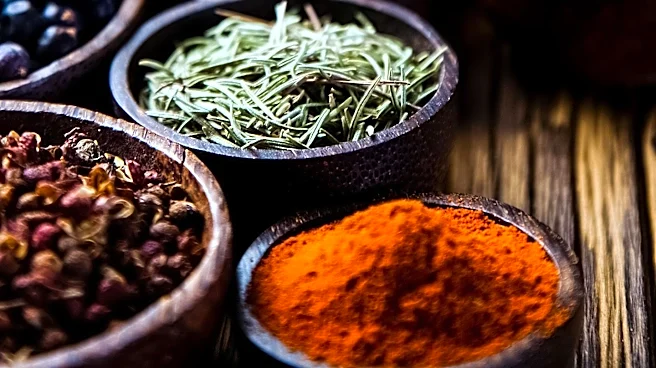
Debbie Kornberg, founder of Spice + Leaf, emphasizes the transformative power of spices and herbs in cooking, as highlighted in a recent article. Kornberg describes spices as her 'secret weapon,' capable of turning simple ingredients into vibrant and memorable
dishes. She notes that spices not only enhance flavor but also evoke cultural stories and personal memories. Kornberg advises that spices should be kept fresh, typically lasting 12 to 16 months, and suggests using one's sense of smell and taste to determine their potency. She shares her favorite recipes, including za’atar baked salmon and pistachio rice, which showcase the versatility and flavor-enhancing properties of spices. Kornberg's approach to cooking involves using spices to balance flavors, adding warmth, depth, and brightness to dishes.
Why It's Important?
The emphasis on spices and herbs in cooking reflects a broader trend towards more flavorful and culturally diverse culinary experiences in the U.S. This trend can influence consumer preferences, leading to increased demand for a wider variety of spices and herbs in the market. For businesses, this presents opportunities to innovate and expand product lines to cater to evolving tastes. Additionally, the focus on spices aligns with a growing interest in health-conscious eating, as many spices offer health benefits. For home cooks, incorporating spices can enhance meal preparation, making it more enjoyable and creative. This shift towards spice-centric cooking can also foster cultural appreciation and understanding through food.
What's Next?
As the popularity of spices continues to grow, it is likely that more culinary professionals and home cooks will explore and experiment with different spice blends. This could lead to the development of new recipes and cooking techniques that highlight the unique flavors of various spices. Businesses in the food industry may respond by introducing new spice products and blends to meet consumer demand. Additionally, educational initiatives and cooking classes focused on the use of spices could emerge, further promoting their use in everyday cooking. The trend may also encourage more sustainable sourcing practices for spices, as consumers become more conscious of the origins and quality of their ingredients.
Beyond the Headlines
The increasing use of spices in cooking has deeper cultural implications, as it encourages the exploration of global cuisines and traditions. This can lead to greater cultural exchange and understanding, as people learn about the history and significance of spices in different cultures. Moreover, the trend towards spice-centric cooking can contribute to a more sustainable food system, as spices often require fewer resources to produce compared to other flavoring agents. The focus on spices also highlights the importance of preserving traditional culinary knowledge and practices, which can be passed down through generations and shared across communities.