








What's Happening?
Julissa Gomez and her family have embraced their elderly neighbor, Delmar, as part of their family since moving to Los Angeles in 2015. Initially introduced by Delmar with comic strips, the family began including him in their Sunday church visits and holiday
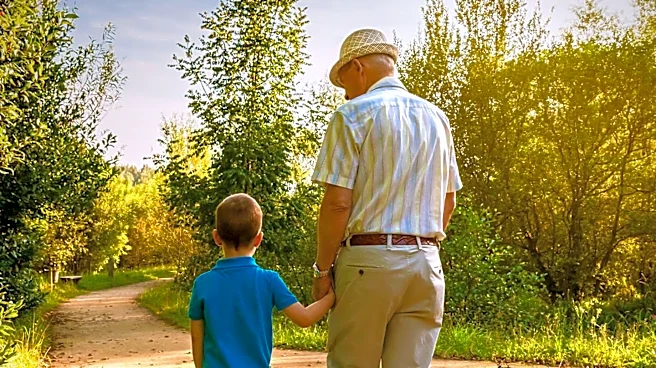
celebrations. After the passing of Gomez's father in 2020, she and her husband continued to care for Delmar, ensuring he has companionship and support. Their relationship inspired them to write a children's book, 'The Friendship Next Door with Delmar,' aiming to encourage kindness and neighborly connections among children. The book reflects their shared experiences and the importance of community bonds.
Why It's Important?
This story highlights the significance of community and intergenerational relationships, especially in urban settings where isolation can be prevalent. By integrating Delmar into their family, Gomez's actions challenge societal norms that often overlook the elderly. Their children's book serves as a tool to foster empathy and neighborly kindness in younger generations, potentially influencing social dynamics and encouraging more inclusive communities. This narrative underscores the potential for personal fulfillment through acts of kindness and the positive ripple effects such actions can have on broader societal attitudes.
What's Next?
Gomez and her husband plan to continue living close to Delmar to provide ongoing support. They have expressed willingness to have Delmar live with them if he can no longer live independently. This commitment reflects a long-term dedication to maintaining their familial bond and ensuring Delmar's well-being. Their story, shared through social media and their book, may inspire others to forge similar connections, potentially leading to increased community engagement and support networks for the elderly.
Beyond the Headlines
The relationship between Gomez and Delmar raises broader questions about societal responsibilities towards the elderly and the role of community in addressing loneliness. It challenges cultural norms that often prioritize individualism over communal care, suggesting a shift towards more inclusive and supportive neighborhood dynamics. The story also touches on the ethical considerations of elder care and the importance of fostering environments where all generations can thrive together.