

What's Happening?
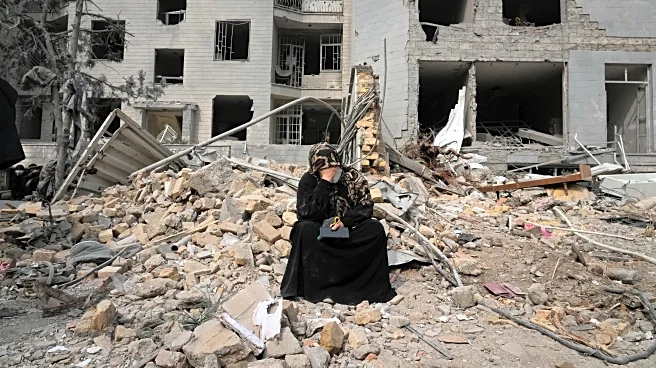
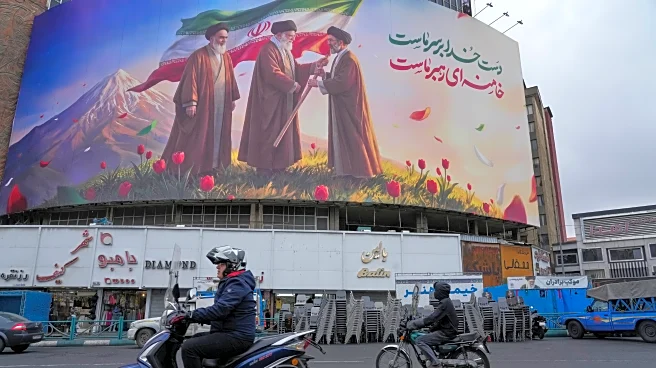
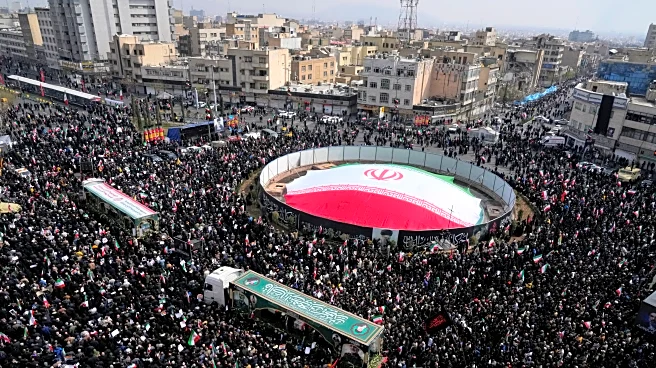
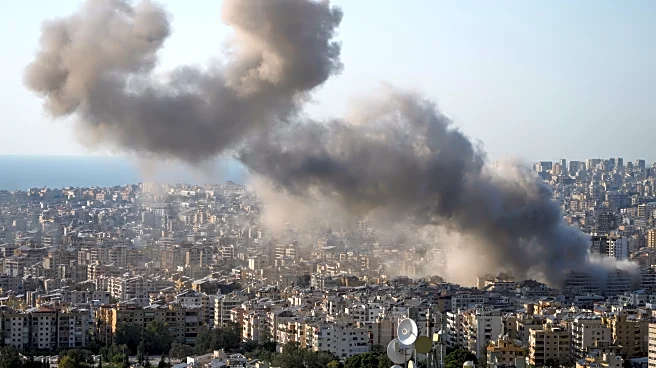
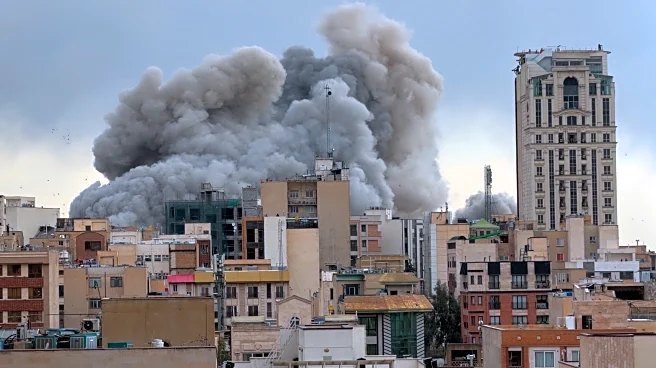
Formula 1 has decided to cancel its scheduled races in Bahrain and Saudi Arabia in April due to the ongoing conflict involving Iran. The decision comes as a result of the recent military actions by the United States and Israel against Iran, which have
led to retaliatory strikes affecting both Bahrain and Saudi Arabia. The races were originally set for April 12 in Bahrain and April 19 in Saudi Arabia. The cancellation is primarily due to logistical challenges and safety concerns, as the conflict's duration and potential escalation remain uncertain. This decision reduces the 2026 F1 calendar from 24 to 22 races, creating a five-week gap between the Japanese Grand Prix on March 29 and the Miami Grand Prix on May 3. Lewis Hamilton, a seven-time world champion, expressed confidence in F1 CEO Stefano Domenicali's leadership in making the right decision for the sport.
Why It's Important?
The cancellation of these races highlights the significant impact geopolitical conflicts can have on international sporting events. For Formula 1, this decision underscores the importance of safety and logistical planning in volatile regions. The absence of these races may affect the championship dynamics, as teams and drivers lose opportunities to compete and earn points. Economically, the cancellation could impact local economies in Bahrain and Saudi Arabia, which benefit from the influx of tourism and global attention during F1 events. Additionally, this situation may prompt F1 and other international sports organizations to reassess their event planning and risk management strategies in politically unstable regions.
What's Next?
With the cancellation of the Bahrain and Saudi Arabia races, Formula 1 will need to adjust its schedule and logistics for the remainder of the season. Teams will have to adapt to the extended break between races, which could affect their preparation and performance. The situation may also lead to discussions within F1 about future race locations and the criteria for selecting host countries. Stakeholders, including sponsors and broadcasters, will likely evaluate the financial implications of the cancellations and explore ways to mitigate potential losses. The ongoing conflict in the Middle East may continue to influence F1's strategic decisions regarding race locations and safety protocols.