
What's Happening?
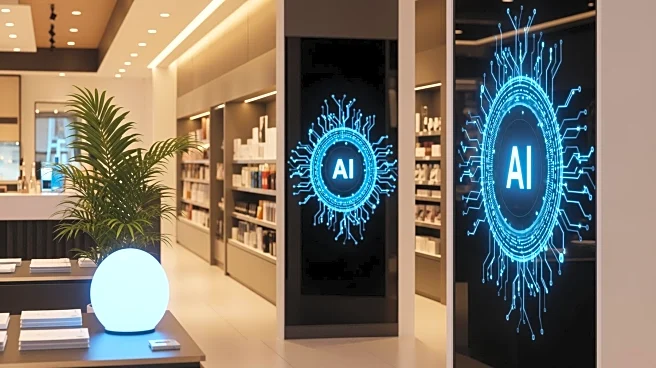
The retail industry is increasingly adopting AI-powered analytics and mental health integration to improve workplace safety. According to Liberty Mutual Insurance, workplace incidents cost U.S. companies
$50.87 billion annually, highlighting the need for effective safety programs. Retail environments, ranging from small shops to large chains, face diverse safety challenges. AI and wearable technology are being used to predict and prevent injuries by monitoring ergonomic risks and providing real-time data. Additionally, mental health support is becoming a priority, with Employee Assistance Programs and training for supervisors to recognize and address stressors. The Occupational Safety and Health Administration (OSHA) is also introducing a national heat safety rule to protect workers from heat-related risks.
Why It's Important?
The integration of AI and mental health strategies in retail safety programs is crucial for reducing workplace injuries and improving employee well-being. By leveraging technology, companies can proactively address safety risks, potentially lowering insurance costs and enhancing workplace culture. The focus on mental health acknowledges the unique stressors faced by retail workers, promoting a supportive environment that can reduce turnover and absenteeism. OSHA's new heat safety rule further underscores the importance of comprehensive safety measures, particularly in environments vulnerable to heat stress. These developments reflect a broader shift towards holistic safety approaches in the retail sector.
What's Next?
Retail companies are expected to continue expanding their use of AI and mental health resources to enhance safety. As OSHA's heat safety rule takes effect, businesses will need to implement protective measures for employees working in high-temperature environments. This may include adjusting work schedules, improving ventilation, and providing training on heat stress symptoms. The success of these initiatives will likely influence safety practices across other industries, encouraging a more integrated approach to workplace safety.