

What's Happening?
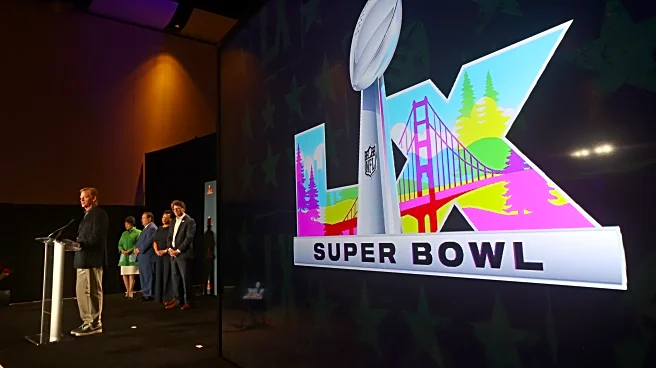
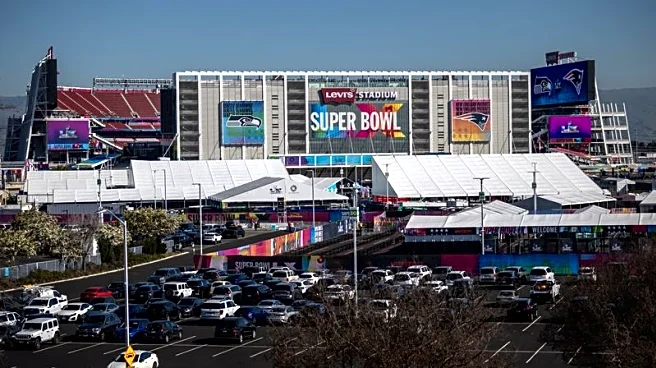
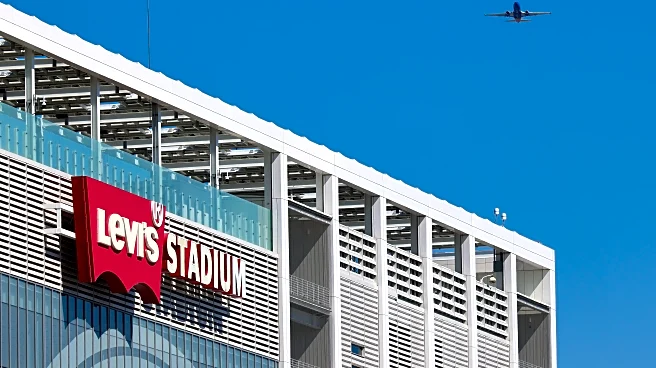
The Super Bowl halftime show, a major entertainment event, involves intricate planning and execution. This year, Puerto Rican superstar Bad Bunny will headline the show at Levi's Stadium in Santa Clara, California. The performance, lasting only about 15 minutes, requires a year of preparation and costs approximately $1 million per minute. The event demands military-grade precision, with 2,000 to 3,000 people involved in its execution. The show's complexity is highlighted by the need to set up and dismantle a concert-grade audio system and stage within minutes, all while ensuring the football field is ready for the game's second half. The halftime show has evolved significantly since its inception, with Michael Jackson's 1993 performance marking
a turning point, transforming it into a standalone spectacle.
Why It's Important?
The Super Bowl halftime show is a critical component of the NFL's strategy to engage a global audience. It serves as a major cultural event, drawing viewers who might not otherwise watch the game. The show's success can significantly impact the NFL's brand and viewership ratings. For artists, performing at the halftime show offers unparalleled exposure, potentially boosting their careers. The logistical challenges and high costs underscore the show's importance as a high-stakes production that can influence public perception of the NFL and its ability to deliver world-class entertainment.
What's Next?
As the Super Bowl approaches, all eyes will be on the execution of the halftime show. Any missteps could lead to public scrutiny and impact the NFL's reputation. The performance's success will depend on seamless coordination among the large team involved. Future shows may continue to push the boundaries of live entertainment, incorporating new technologies and creative elements to captivate audiences. The NFL will likely continue to refine its approach to ensure the halftime show remains a highlight of the Super Bowl experience.
Beyond the Headlines
The Super Bowl halftime show reflects broader trends in live entertainment, where the integration of technology and live performance is increasingly common. The show's evolution from marching bands to pop icons highlights shifts in cultural preferences and the growing importance of entertainment in sports events. The logistical challenges faced by the production team also underscore the complexities of modern live events, where precision and coordination are crucial to success. The show's ability to engage a diverse audience speaks to its role as a unifying cultural moment.