



What's Happening?
The Pittsburgh Robotics Network has released predictions for 2026, highlighting the emergence of affordable humanoid robots and robotaxis as key trends in physical AI. Pittsburgh, known as a global robotics hub, is poised to lead these developments due
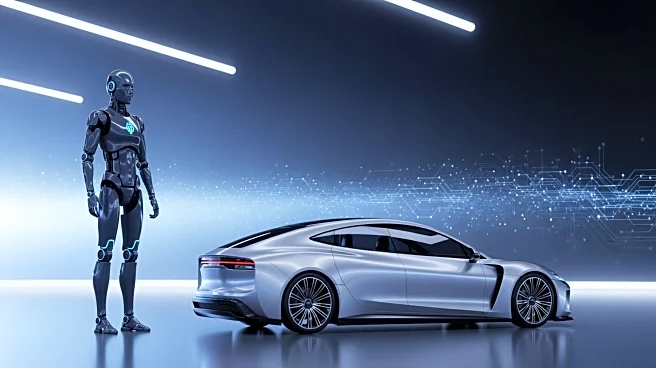
to its robust ecosystem of research institutions, startups, and established companies. The network anticipates humanoid robots will become commercially viable, with prices dropping below $20,000, enabling widespread deployment in industrial settings. Additionally, autonomous vehicles are expected to surpass 10 percent market share in several cities, driven by advancements from companies like Waymo and Aurora Innovation. These developments are supported by Pennsylvania's economic policies, which prioritize robotics and AI as strategic growth areas.
Why It's Important?
The predictions from the Pittsburgh Robotics Network underscore the transformative potential of robotics and AI in various industries. Affordable humanoid robots could revolutionize manufacturing and logistics by providing flexible automation solutions without the need for facility redesigns. This could address labor shortages and enhance operational efficiency. The rise of robotaxis signifies a shift towards mainstream adoption of autonomous transportation, which could reshape urban mobility and reduce reliance on human drivers. Pennsylvania's support for robotics and AI positions the state as a leader in technological innovation, attracting investment and fostering economic growth. These trends highlight the increasing integration of AI into physical systems, with Pittsburgh at the forefront.
What's Next?
As humanoid robots become more affordable, their deployment in logistics and light industrial environments is expected to increase. This could lead to broader adoption in small and mid-sized manufacturers, with potential expansion into consumer markets. The growth of robotaxis will likely drive regulatory changes and consumer acceptance, paving the way for further integration into transportation networks. The Pittsburgh Robotics Network will continue to facilitate collaboration among industry stakeholders, supporting the development and commercialization of these technologies. The ongoing alignment between state policy and industry needs will be crucial in maintaining Pennsylvania's competitive advantage in robotics and AI.