





What's Happening?
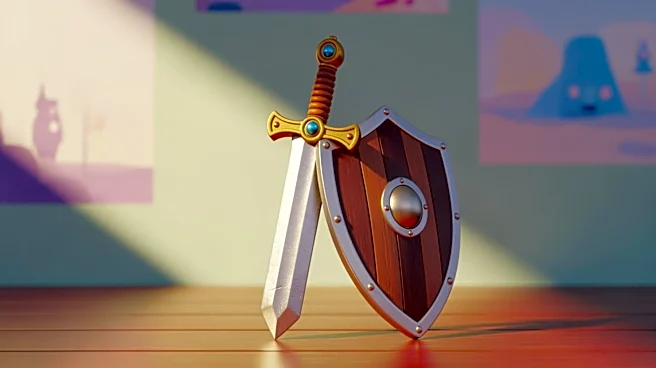
The 1980s animated series 'He-Man and the Masters of the Universe' is noted for its unique approach to depicting violence, which was a significant concern for parent groups at the time. The show's creators, including Lou Scheimer, implemented specific
rules to ensure that the content was suitable for children. These rules included avoiding any depiction of He-Man harming living creatures and ensuring that the 'good guys' always prevailed. Erika Scheimer, a voice actress on the show and daughter of Lou Scheimer, highlighted that even before the show aired, there were complaints from interest groups about potential violence, despite the show not having aired yet. To counter these concerns, the producers employed a children's programming expert as a consultant to review scripts, ensuring that the show adhered to educational and non-violent standards.
Why It's Important?
The approach taken by 'He-Man and the Masters of the Universe' reflects broader societal concerns about the impact of media violence on children. By addressing these concerns proactively, the show's creators set a precedent for how children's programming could balance action with educational content. This strategy not only helped the show avoid censorship but also contributed to its success and longevity. The decision to involve an educational consultant from Stanford underscores the importance of expert oversight in media production, particularly for content aimed at young audiences. This approach likely influenced other animated series of the time, such as 'She-Ra: Princess of Power' and 'Thundarr the Barbarian,' which also adopted guidelines to mitigate violence.
What's Next?
While the original 'He-Man' series has long concluded, its legacy continues to influence modern children's programming. Current and future producers of animated content may look to 'He-Man' as a case study in balancing action with educational value. As new adaptations and reboots of classic series are developed, the principles established by 'He-Man' could guide creators in addressing contemporary concerns about media violence and its impact on children. Additionally, the ongoing dialogue about media influence on young audiences may lead to further innovations in how content is created and regulated.
Beyond the Headlines
The ethical considerations surrounding media violence in children's programming remain relevant today. The proactive measures taken by 'He-Man' producers highlight the potential for media to serve as a positive educational tool rather than merely entertainment. This approach also raises questions about the responsibility of content creators to consider the developmental impact of their work on young viewers. As media consumption habits evolve with technology, these ethical considerations will likely continue to shape the landscape of children's programming.