
What's Happening?
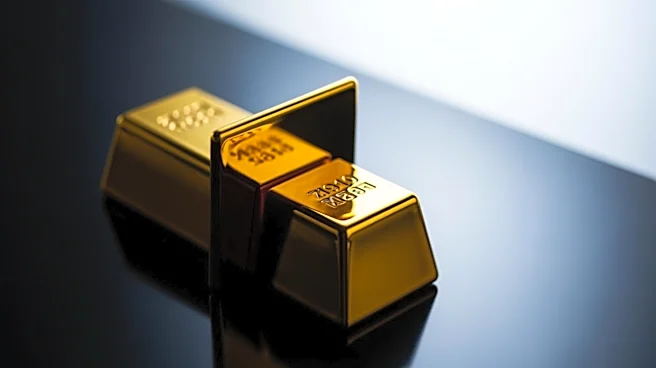
Tether, the issuer of the world's largest stablecoin, has significantly reduced its gold purchases for its USDT reserves in the first quarter of the year. According to a recent report, Tether acquired
approximately 6 metric tons of gold during this period, a notable decrease from the 27 tons purchased in the previous quarter. This reduction comes as Tether continues to back its USDT stablecoin, which is a digital dollar with $189.5 billion worth of tokens in circulation, and its Tether XAUT gold token, which has $3.3 billion in circulation. The reserves backing Tether USDT are predominantly U.S. Treasury Bills, valued at $117 billion, with gold representing only 10% of the reserves as of the end of March. Additionally, Bitcoin accounts for $7 billion of the reserves. Tether's total gold holdings for its products amount to 154 tons, positioning it among the top 20 countries by gold reserves if it were a central bank.
Why It's Important?
The reduction in gold purchases by Tether is significant as it reflects the company's strategic adjustments in managing its reserve assets. This move could impact the stability and perception of the USDT stablecoin, which relies on these reserves to maintain its value. The decision to decrease gold acquisitions may be influenced by market conditions or internal strategic shifts, potentially affecting investor confidence in Tether's ability to back its digital tokens. As Tether holds a substantial portion of its reserves in U.S. Treasury Bills, the shift away from gold could also indicate a preference for more liquid and stable assets. This development is crucial for stakeholders in the cryptocurrency market, as Tether's actions can influence market dynamics and the broader acceptance of stablecoins.
What's Next?
Tether's future actions regarding its reserve management will be closely monitored by investors and regulators. The company may continue to adjust its asset allocation strategy in response to market conditions and regulatory developments. Stakeholders will be interested in how Tether balances its reserves between gold, U.S. Treasury Bills, and other assets to ensure the stability of its stablecoins. Additionally, any changes in Tether's reserve strategy could prompt reactions from other stablecoin issuers, potentially leading to shifts in the broader cryptocurrency market. As Tether plays a pivotal role in the crypto ecosystem, its reserve management decisions will likely have ripple effects across the industry.